Cavity Detection in Simi Valley
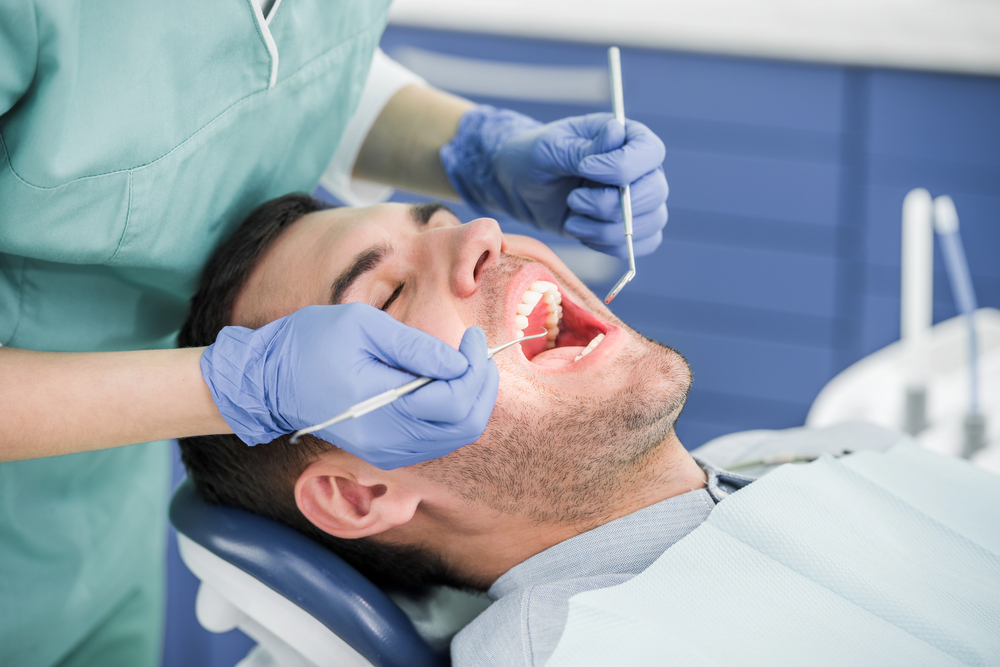
If a tooth has started reacting to cold drinks, you have noticed a dark spot on a molar, or it has simply been a while since your last checkup, you may be wondering whether a cavity is forming. At 805 Dentistry, we help Simi Valley patients answer that question with a careful, thorough exam so small problems can be handled while they are still small. Our office is in Thousand Oaks, and we see children and adults from Simi Valley and throughout the surrounding communities.
Cavity detection is the process of finding tooth decay, ideally before it causes pain or visible damage. Decay often begins quietly. It can start between teeth, along the gumline, or in the deep grooves of back teeth, where it is hard to see in a mirror and easy to miss when brushing. By the time a cavity hurts, it has usually progressed further into the tooth.
We look for decay during every dental exam, combining a close visual and hands-on check with dental imaging when it is appropriate. Our practice provides both 2D and 3D dental imaging, and we have a board-certified oral and maxillofacial radiologist on staff. That gives us more ways to see what is happening beneath the surface when a case calls for a closer look.
Nearly everyone benefits from regular cavity checks, but some situations make them especially important. Patients with sensitivity to hot, cold, or sweets, food that keeps catching between certain teeth, older fillings or crowns, or a history of frequent cavities all have good reason to keep a close eye on their teeth. So do patients who have gone a long stretch without a checkup.
Children are an important part of this, too. Our pediatric care serves kids ages 4 to 14, and parents are welcome in the treatment room. Because we treat all ages, a Simi Valley family can often schedule checkups for parents and children with the same office, which keeps things simpler for busy households.
What happens during a cavity detection visit?
A cavity detection visit is a straightforward part of a routine exam, and most patients find it easy. We start by asking about any symptoms or concerns you have noticed, then examine each tooth and the surrounding gums.
Here is what you can generally expect:
- A review of your dental history and any areas that have been bothering you
- A careful examination of tooth surfaces, grooves, and existing restorations
- Dental imaging when needed to check between teeth and below the surface
- A clear explanation of what we found and what your options are
If we find decay, we talk through the right next step for that tooth. Small cavities are often treated with dental fillings, while larger areas may call for an inlay, onlay, or crown. If decay has reached the inner part of the tooth, root canal therapy may be considered. For patients who feel anxious about dental work, we offer sedation options including nitrous oxide, oral sedation, and IV sedation.
What should I do after my visit?
After a cavity check, you can return to your normal day right away, since the exam itself does not require any recovery. If we recommend treatment, we will explain how to care for the tooth until your next appointment and what to watch for in the meantime.
Prevention is the other half of the picture. Consistent brushing, cleaning between your teeth, and keeping regular cleanings and exams on your calendar all help us catch changes early. For some patients, especially children, we may also suggest dental sealants or fluoride treatment to help protect vulnerable teeth. If a tooth suddenly becomes painful between visits, our office offers emergency dental appointments.
Will my insurance cover cavity detection?
We accept all major PPO insurance plans, and our team is glad to help you understand how your coverage applies to exams, imaging, and any treatment we recommend. Bring your insurance information to your visit, and we will help you sort out the details.
We also welcome self-pay patients, and financing is available for those who would like to spread out the cost of treatment. Simi Valley patients who want to stay ahead of tooth decay can call our Thousand Oaks office to schedule an exam, and we will walk you through every step from the first check onward.