Inlays in Simi Valley
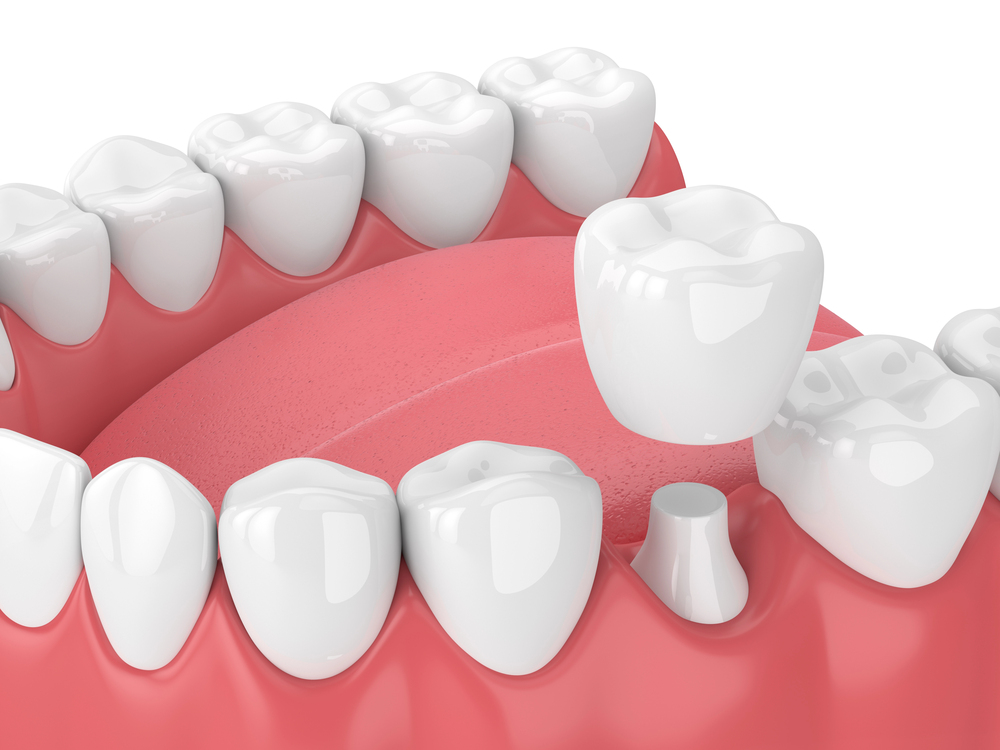
If you've been told a back tooth has a cavity too large for a simple filling but not damaged enough to need a crown, you may be weighing your options. An inlay is often the middle ground. It repairs the damaged area inside the tooth while preserving as much healthy structure as possible. Our team at 805 Dentistry places inlays for patients throughout the region, and many of our Simi Valley families make the trip to our Thousand Oaks office for this and the rest of their dental care.
An inlay is a custom-made restoration that fits into the grooves and hollows of a chewing surface, usually on a molar or premolar. A filling is shaped directly in your mouth. An inlay is fabricated outside the mouth to match the exact contours of your prepared tooth, then bonded into place as a single solid piece. Inlays sit within the cusps, or raised points, of the tooth. When damage extends over one or more cusps, we typically recommend an onlay instead, which covers a larger area. We offer both, along with fillings and crowns, so we can recommend the option that truly fits your tooth.
Our office has an on-site dental lab, which supports the custom restorative work we do every day. For patients coming from Simi Valley, that means our restorative care happens in one place, from diagnosis to fabrication.
Inlays are often a good fit for moderate decay, an older filling that has worn or broken down, or a tooth that has lost structure in the center of its biting surface. Because an inlay is made as one precise piece, it can restore the tooth's shape and help it handle everyday chewing. Before recommending one, we evaluate the tooth with a thorough dental exam and imaging. Our office provides 2D and 3D dental imaging and cavity detection, which help us see how far damage extends and whether an inlay, onlay, filling, or crown makes the most sense.
Some patients aren't ideal candidates. That can include teeth with very extensive damage, cracks that run deep, or signs of infection inside the tooth. In those cases we explain why and talk through alternatives such as a crown or root canal therapy. Since we care for children and adults alike, we can also assess inlay candidacy for older kids and teens when appropriate.
What happens during inlay treatment?
Inlay treatment typically begins with numbing the area, removing the decay or old filling, and shaping the tooth to receive the restoration. We then capture the precise shape of the prepared tooth so the inlay can be fabricated to fit it closely. A temporary restoration is often placed to protect the tooth while the final inlay is made.
When the inlay is ready, we check its fit and bite carefully, make any adjustments, and bond it securely into place. Here's what you can generally expect:
- A detailed exam and imaging to confirm an inlay is the right choice
- Local anesthetic to keep you comfortable during preparation
- Removal of decay and careful shaping of the tooth
- A custom inlay fit to your tooth's contours
- Final bonding and bite adjustments so your teeth meet naturally
If dental visits make you anxious, let us know. We offer sedation options including nitrous oxide and oral sedation, and a board-certified dental anesthesiologist is on our team.
How do I care for my inlay afterward?
You care for an inlay much like your natural teeth: brush twice a day, floss daily, and keep up with regular checkups and cleanings. Some mild sensitivity in the days after treatment is common as the tooth settles. If your bite feels uneven or the sensitivity lingers, call us so we can check it.
Regular visits let us monitor the inlay's edges, where it meets your natural tooth, and catch any new concerns early. If you grind or clench your teeth, we may suggest a night guard to help protect your restorations. Our practice also has a strong focus on TMJ care, so we can evaluate jaw-related concerns that may affect your teeth. And if something unexpected happens, such as a sudden break or pain, we offer emergency dental appointments.
How can I pay for an inlay?
We accept all major PPO insurance plans and welcome self-pay patients, and financing is available. Many PPO plans include coverage for restorative treatment, though benefits vary from plan to plan. Our team can help you understand what your plan may cover before you begin.
Once we've examined your tooth and recommended a plan, we'll walk you through the costs so there are no surprises. For self-pay patients and anyone who prefers to spread out payments, we're happy to discuss financing. Dr. Dar Radfar and our team want Simi Valley patients to feel confident about both their treatment and how to fit it into their budget. When you're ready, reach out to schedule a visit, and we'll take a close look at the tooth that's been bothering you.