Cavity Detection in Moorpark
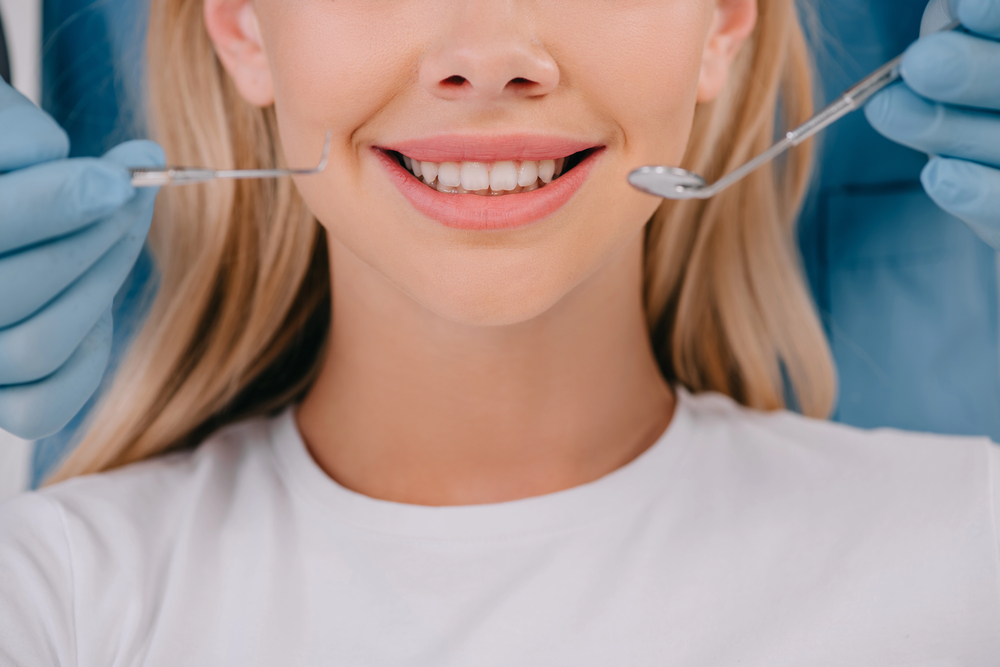
Maybe you've noticed a twinge when you sip iced coffee, a rough spot your tongue keeps finding, or food catching between two back teeth. It's also possible you feel nothing at all, which is common, since cavities often develop quietly before they cause discomfort. Whether you're in Moorpark with a specific concern or simply due for a checkup, our team at 805 Dentistry focuses on finding tooth decay early, while it's still small and easier to treat.
Cavity detection is the careful process of checking each tooth for signs of decay, from early weak spots in the enamel to deeper areas that have reached the inner layers of the tooth. At our office, it is built into every dental exam. We look at the chewing surfaces, the spaces between teeth, and the edges around existing fillings and crowns, where decay often hides.
Visual examination only shows part of the picture. Decay between teeth or beneath an older restoration may not be visible in the mirror, so we use 2D and 3D dental imaging to see what the eye can't. Our office also has a board-certified oral and maxillofacial radiologist on staff and offers CBCT imaging when a more detailed view is needed. That depth of imaging expertise helps us make careful, well-informed decisions about your teeth.
Moorpark families often tell us they appreciate handling everything in one place, and cavity detection is a good example of why that matters. When we find a problem, we can usually explain your options during the same visit instead of sending you elsewhere for answers.
Catching decay early offers several practical advantages:
- Smaller cavities can often be repaired with a simple dental filling rather than a larger restoration.
- More of your natural tooth structure stays intact.
- You can address problems before they become painful or urgent.
- Preventive steps such as fluoride treatment or dental sealants can be planned to protect vulnerable areas.
- You leave with a clear picture of your oral health and what, if anything, needs attention.
Who should have their teeth checked for cavities?
Everyone benefits from regular cavity checks, from young children to older adults. We see patients of all ages, and our pediatric care welcomes children ages 4 to 14. Parents are welcome in the treatment room, which helps many kids feel more at ease.
Some situations make a check especially worthwhile: sensitivity to hot, cold, or sweets, a visible dark spot or chip, older fillings or crowns, braces or aligners that make cleaning harder, or simply having gone a while since your last exam. If you feel anxious about dental visits, we offer nitrous oxide, oral sedation, and IV sedation, and we have a board-certified dental anesthesiologist on staff.
What happens during a cavity detection visit?
A typical visit starts with a conversation about any symptoms you've noticed, followed by a thorough exam and the imaging appropriate for your situation. We walk you through what we see, point out any areas of concern, and explain whether a spot needs treatment now or should be monitored.
If we do find decay, treatment depends on its size and location. Options we provide include fillings, composite bonding, inlays and onlays, and crowns, which are supported by our on-site dental lab. When decay has reached the nerve, root canal therapy may be recommended. A board-certified endodontist is part of our team for those cases. If a tooth starts hurting suddenly, we also offer emergency dental appointments for Moorpark patients who need to be seen quickly.
How do I care for my teeth after a cavity is found or treated?
The best aftercare is consistent daily habits combined with regular checkups. Brush twice a day, clean between your teeth daily, and follow any specific instructions we give you after a filling or other restoration.
We may also recommend preventive support based on your risk, such as professional cleanings, fluoride treatment, or sealants on the chewing surfaces of back teeth. Keeping your scheduled exams allows us to monitor small spots we're watching and catch new decay before it grows.
How can I pay for cavity detection and treatment?
We accept all major PPO insurance plans, and cavity detection is part of the dental exam many plans cover. Our team can help you understand your benefits before treatment begins.
We also welcome self-pay patients, and financing is available if you need treatment and would like to spread out the cost. Led by Dr. Dar Radfar, our team serves patients throughout Moorpark and the surrounding communities. We're glad to help you find decay early and keep your smile healthy.