Inlays in Camarillo
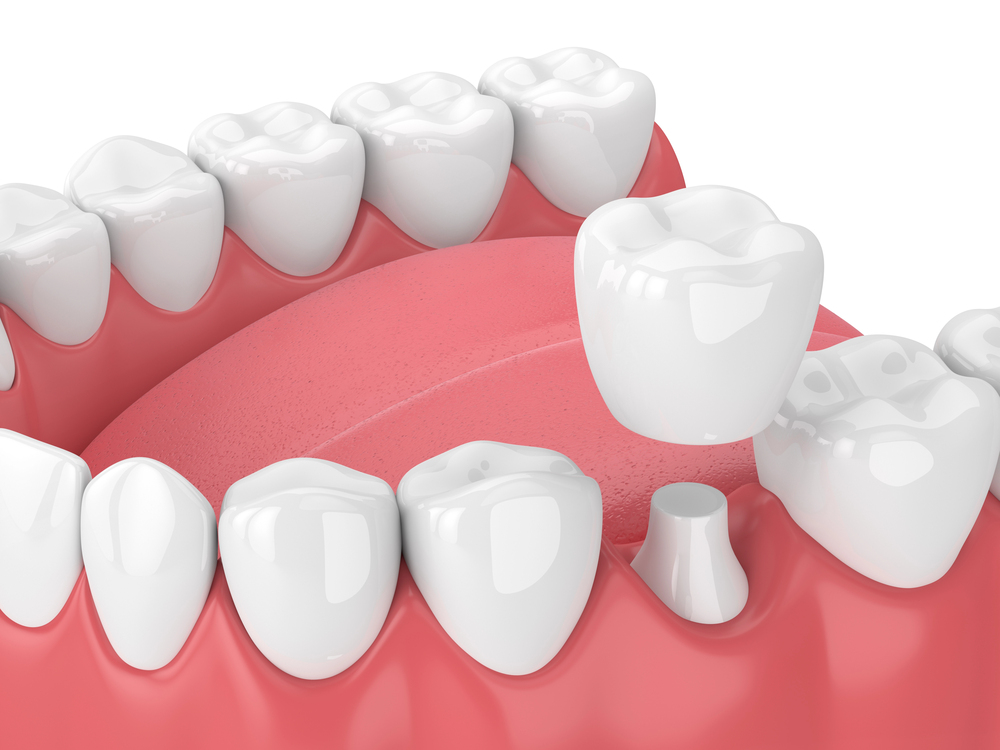
Maybe you bit down on something hard and felt a twinge in a back molar. Maybe an old silver filling has started to darken or crack around the edges. Or maybe your last checkup showed a cavity too large for a simple filling but not large enough to need a full crown. Situations like these are where an inlay often makes sense. At 805 Dentistry, our office is in Thousand Oaks, and we regularly welcome patients from Camarillo who want a conservative, durable way to repair a damaged tooth.
An inlay is a custom-made restoration that fits inside the grooves and cusps of a back tooth, the chewing surface between the raised points. Instead of being shaped in your mouth like a traditional filling, an inlay is crafted to the exact contours of the prepared area and then bonded into place. It sits within the tooth rather than covering the cusps. That is what separates it from an onlay, which extends over one or more cusps, and from a crown, which covers the entire visible tooth.
We offer inlays, onlays, fillings, and crowns, so we can match the restoration to the actual size and location of the damage instead of fitting every tooth into one approach. For many Camarillo patients, an inlay strikes a useful middle ground. It keeps more of the natural tooth than a crown would while providing a sturdier, more precise fit than a large filling.
Inlays are part of our broader restorative dentistry care, and our practice describes itself as a one-stop shop for the whole family's dental needs. That matters if your tooth turns out to need something different once we examine it. If the damage is more extensive than expected, we can discuss an onlay or crown. If decay has reached the nerve, we also provide root canal therapy, and a board-certified endodontist is on our staff.
Our office also has an on-site dental lab, which supports the custom work that restorations like inlays involve. For families in Camarillo, having general dentistry, specialists, and lab capabilities under one roof can mean fewer separate offices to coordinate and a more connected treatment plan.
Who is a good candidate for an inlay?
A good candidate typically has moderate decay or damage on the chewing surface of a back tooth, with the outer cusps still healthy and intact. Common examples include:
- A cavity too large for a standard filling to hold up well over time
- An older filling that has worn down, cracked, or started to leak
- A chipped or fractured area within the biting surface of a molar or premolar
- A tooth where you want a restoration that keeps as much natural structure as possible
An inlay may not be the right choice if the damage extends into the cusps or the tooth is significantly weakened. In those cases, an onlay or crown may be more appropriate. We start with a dental exam and, when needed, imaging to see what is happening beneath the surface. From there, we explain your options in plain terms so you can decide with confidence.
What happens during the inlay process?
The process begins with an exam, followed by preparing the tooth, taking an accurate record of its shape, and bonding the finished inlay in place. First, we numb the area and remove any decay or failing filling material. Then we clean and shape the space so the inlay can fit securely.
Next, we capture the shape of the prepared tooth so the inlay can be fabricated to fit precisely. When the restoration is ready, we check the fit and your bite, make any needed adjustments, and bond it to the tooth.
If dental work makes you anxious, tell us. Our practice offers nitrous oxide sedation and other sedation options, and a board-certified dental anesthesiologist is on staff. We can talk through what might help you feel more at ease before your appointment.
How do I care for my inlay afterward?
Care for an inlay much as you would your natural teeth: brush twice a day, floss daily, and keep up with regular cleanings and exams. Some temporary sensitivity after treatment is common, and if your bite feels uneven, contact us so we can check it.
Routine visits let us monitor the edges of the inlay and the surrounding tooth for any early signs of wear or new decay. If you grind or clench your teeth at night, ask us about a night mouth guard, which can help protect your restorations and natural teeth. Given our focus on TMJ treatment, we are glad to evaluate jaw-related concerns at the same time.
How can I pay for an inlay?
We accept all major PPO insurance plans, and we also welcome self-pay patients. Coverage for inlays depends on your specific plan, so we encourage you to ask our team to help you understand your benefits before treatment.
Financing is available for patients who prefer to spread out the cost. If you live in Camarillo and have a tooth that needs attention, contact 805 Dentistry to schedule an exam. We will look at the tooth, explain whether an inlay is the right fit, and walk you through the next steps.