Dental Restoration in Newbury Park
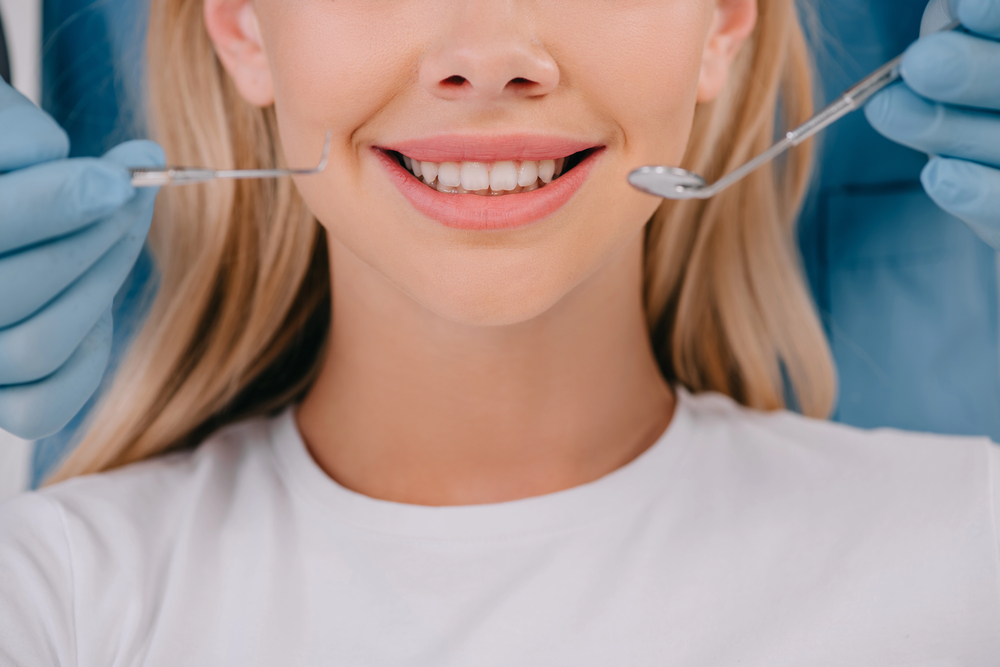
A small chip on a back molar, a filling that has started to feel rough against your tongue, or a tooth that aches when you bite down can all point to the same need: repairing the tooth before the damage spreads. Dental restoration brings damaged, decayed, or missing teeth back to healthy function. At 805 Dentistry in Thousand Oaks, we help Newbury Park patients of all ages choose the right repair for each tooth, from a simple filling to a full replacement.
Restoration covers a family of treatments, and the right one depends on how much of the tooth is affected. For a small cavity, a dental filling or composite bonding replaces the decayed area with tooth-colored material. When decay or a fracture takes out more of the tooth, an inlay or onlay rebuilds the missing section. A crown covers and protects a tooth that has lost a significant amount of its structure.
When a tooth is missing entirely, restoration means replacing it. Depending on the situation, we may recommend a bridge, a dental implant, an implant-supported bridge, or partial or complete dentures. For patients with widespread wear or damage, we can plan a full mouth rehabilitation that brings several of these treatments together.
Many Newbury Park families appreciate having so much of their dental care under one roof. Our team includes a general dentist, a board-certified endodontist, a board-certified periodontist, and a board-certified dental anesthesiologist. If your restoration also needs a root canal, crown lengthening, gum care, or sedation, we can usually coordinate it within our own office instead of sending you elsewhere.
We also have an on-site dental lab, which lets us work closely on the crowns, bridges, and other restorations we create for you. Our imaging capabilities include 2D and 3D scans and CBCT, which help us see the tooth, root, and surrounding bone clearly before we recommend a treatment.
Who is a good candidate for dental restoration?
Most people with a damaged, decayed, or missing tooth are candidates for some form of restoration. The real question is which type fits your situation. Patients usually come to us for one of these reasons:
- A new cavity, often found during a routine exam or through cavity detection
- A cracked or chipped tooth from biting something hard or from an injury
- An old filling or crown that is worn, loose, or leaking
- A tooth weakened by a root canal that needs a crown to protect it
- One or more missing teeth that make chewing or smiling harder
- Extensive wear affecting many teeth at once
Children and adults both need restorations, and we see patients of every age. Sometimes we need to address an underlying issue first. For example, we may treat gum disease or infection before placing a crown or implant so the restoration rests on a healthy foundation.
What happens during a restoration appointment?
Every restoration starts with an exam and, when needed, imaging. We use these to explain what we see and walk you through your options. You will understand why we recommend a particular treatment before any work begins.
For fillings and bonding, we typically numb the area, remove the decay, and shape the new material to match your bite. Crowns, onlays, and bridges usually take more than one step. We prepare the tooth, protect it in the meantime, and then place the finished restoration. Implants follow a longer timeline, and some patients need bone grafting first. If you feel anxious about treatment, we offer nitrous oxide, oral sedation, IV sedation, and general anesthesia. If a tooth breaks suddenly, we also offer emergency appointments.
How do I care for my restored teeth?
Restored teeth need the same daily care as natural teeth: brush twice a day, floss, and keep your regular cleanings and exams. The edges where a restoration meets your natural tooth can still develop decay, so consistent home care matters.
We will give you instructions specific to your treatment, such as how to care for an implant or how to clean under a bridge. If you grind your teeth at night, we may suggest a night guard to help protect your restorations. Let us know right away if something feels high, loose, or sensitive.
How can I pay for dental restoration?
We accept all major PPO insurance plans and are happy to help you understand your coverage. Before treatment, we review your plan and explain what you can expect. Patients without insurance are welcome, since we accept self-pay patients.
For larger treatment plans, we offer financing so you can move forward without waiting. Whether you need one filling or a complete restoration plan, our team will talk through your payment options with you. Newbury Park patients can contact our Thousand Oaks office to schedule an exam and start planning.