Sinus Lift Surgery in Oak Park
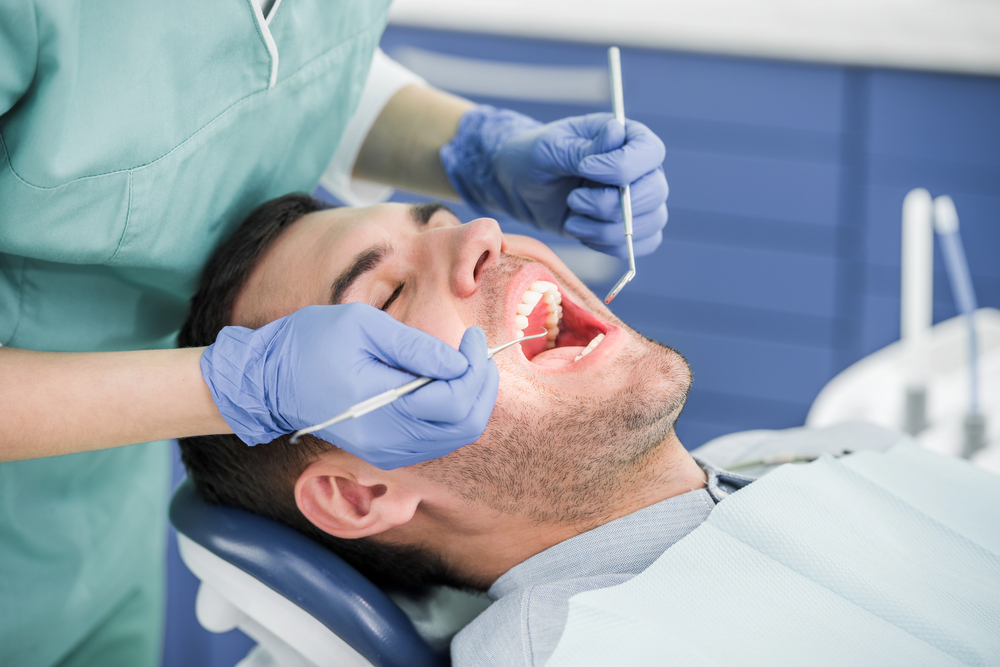
A dental implant in the upper back jaw needs enough bone to hold it securely, and many patients simply do not have it. When bone above the upper molars and premolars is too thin, the sinus floor sits too close to where an implant would go. Sinus lift surgery solves this by gently raising the sinus membrane and adding bone graft material beneath it, creating a stable foundation. For patients in Oak Park, our Thousand Oaks office brings this procedure together with implant placement, 3D imaging, and sedation, so the full treatment path can be handled by one team.
A sinus lift, sometimes called a sinus augmentation, adds bone height to the upper jaw in the area of the back teeth. The maxillary sinuses are air-filled spaces just above the roots of the upper molars and premolars. When teeth in this area are lost, the surrounding bone can shrink over time, and the sinus may expand downward into the space. The result is a ridge too shallow to anchor an implant.
During the procedure, we access the area, carefully lift the thin sinus membrane upward, and place bone grafting material in the space created. As that graft integrates with your natural bone, it builds the height needed for implant placement. Because our team includes a board-certified periodontist who places dental implants, we plan the sinus lift with the final implant in mind from the very first visit.
Oak Park patients come to us for sinus lift surgery for several different reasons, and understanding yours helps us plan the right approach. One common situation is a tooth lost years ago in the upper back jaw. Bone tends to recede once a tooth root is no longer there, so a space that once could have held an implant may now need added support.
Other patients have experienced bone loss from gum disease, which can erode the bone around upper teeth before they are ever extracted. Some people naturally have larger sinuses or a thinner upper jaw. And patients planning full arch treatment, such as All-on-4, All-on-6, or All-on-X implants, may need additional bone in the back of the upper jaw depending on how their implants are positioned. In each case, the goal is the same: giving an implant enough bone to work with.
How do I know if I'm a candidate for a sinus lift?
The best way to know is a consultation with CBCT imaging, which shows us the exact height and width of bone beneath your sinus. Our practice has a board-certified oral and maxillofacial radiologist on staff, and 3D scans let us measure the area precisely rather than estimate from flat X-rays.
During your visit, we review your dental and medical history, examine your gums, and talk through your tooth replacement goals. Some patients turn out to have enough bone for an implant without a lift. Others may benefit from a sinus lift combined with other treatment, such as gum disease therapy first. We explain what we see on your scan and walk you through every option before you decide anything.
What happens during the procedure, and will I be comfortable?
Yes, comfort is a priority, and you have several sedation choices. Our practice includes a board-certified dental anesthesiologist, and we offer nitrous oxide, oral sedation, IV sedation, and general anesthesia. Patients with dental anxiety often find this especially reassuring.
Here is what you can generally expect:
- A planning visit with 3D imaging and a discussion of sedation options
- Numbing and your chosen level of sedation on the day of surgery
- Gentle lifting of the sinus membrane and placement of bone graft material
- A healing period while the graft integrates with your natural bone
- Implant placement once the area is ready, sometimes at the same visit when bone allows
Your specific timeline depends on how much bone is needed and how your body heals, and we will outline it for you in advance.
What is recovery like, and how do I pay for it?
Most recovery involves following a few careful instructions while the graft settles, and we give you written guidance before you leave. Patients are often asked to avoid forcefully blowing the nose, to sneeze with the mouth open, and to stick with soft foods for a time. We schedule follow-up visits to check your healing and confirm when the area is ready for an implant.
For payment, we accept all major PPO insurance plans and welcome self-pay patients. Financing is also available, which can help spread the cost of a sinus lift and implant over time. Our team is glad to review your benefits and explain your choices so there are no surprises. If you live in Oak Park and have been told you lack the bone for an upper implant, we would be happy to take a closer look and help you find a path forward.