Inlays in Oak Park
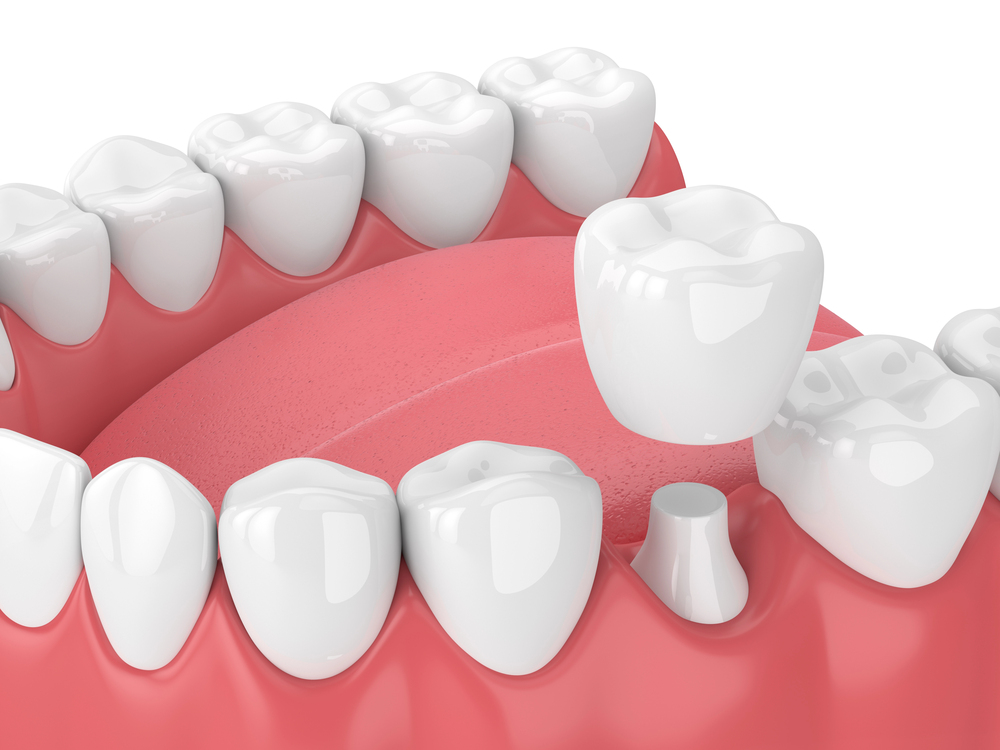
When a cavity or old filling sits in the chewing surface of a back tooth, between the cusps but not extending over them, there is often a middle option between a simple filling and a full crown. That option is an inlay, a custom-made restoration crafted outside the mouth to fit the prepared area precisely, then bonded into place. At 805 Dentistry, our Thousand Oaks office regularly cares for patients from Oak Park who want a restoration that conserves as much of their natural tooth as possible while standing up to everyday chewing.
An inlay fills damage within the grooves and center of a molar or premolar. A traditional filling is placed and shaped directly in the tooth during one appointment. An inlay, by contrast, is fabricated as a single solid piece to match the exact contours of the space we prepare. Because it is made to fit rather than packed in and hardened, it can restore the tooth's shape and chewing surface with close attention to detail.
Inlays are closely related to onlays, which we also offer. The difference comes down to coverage. An inlay stays inside the cusps, the raised points of a back tooth. An onlay extends over one or more of them. During your exam, we look at how much healthy structure remains and recommend whichever restoration fits your tooth best. If the damage is too extensive for either, we may discuss a crown instead.
Many Oak Park patients choose inlays because they offer a balance of strength and conservation. Removing less healthy tooth than a crown requires helps preserve what nature gave you. Common advantages include:
- Precise fit: Each inlay is shaped to the prepared area, helping seal the tooth and restore a smooth chewing surface.
- Conservative treatment: Only the damaged portion is removed, leaving the outer walls and cusps intact.
- Natural appearance: Inlays can be made to blend with surrounding teeth.
- Durable support: As a solid, single piece, an inlay is well suited for teeth that handle heavy chewing forces.
Inlays are also a practical way to replace a large, aging filling that has started to wear or break down. Rather than placing another, bigger filling, we can rebuild the area with a restoration designed specifically for that tooth.
Am I a good candidate for an inlay?
You may be a good candidate if you have moderate decay or damage on the chewing surface of a back tooth that has not reached the cusps. This is a common situation for adults with older fillings, as well as for patients whose cavities are larger than a routine filling can comfortably handle.
The best way to know is a thorough exam. We use digital imaging and a careful look at the tooth to see where the damage lies and how deep it goes. If the tooth has a crack, signs of infection, or significant structural loss, we explain what other options make sense, whether that is an onlay, a crown, or other restorative care.
What happens during the inlay process?
Treatment typically involves preparing the tooth, creating a custom restoration, and bonding it in place. At your first visit, we numb the area, remove decay or the old filling, and shape the space so the inlay will fit securely. We then capture the tooth's details so the restoration can be made to match.
Our office has an on-site dental lab, which allows our team to stay closely involved in how each restoration is made. While your inlay is being created, we may protect the tooth with a temporary restoration. Once the inlay is ready, we check its fit and your bite, make any needed adjustments, and bond it securely to the tooth. For patients who feel nervous about dental work, we offer sedation options, including nitrous oxide, oral sedation, and IV sedation, to help make your visit more comfortable.
How do I care for my inlay afterward?
You can care for an inlay much like your natural teeth: brush twice a day, floss daily, and keep up with regular cleanings and exams. Paying close attention to the edges where the inlay meets the tooth helps keep that area healthy.
After treatment, some patients notice mild sensitivity for a short time. If your bite feels uneven or something seems off, let us know so we can take a look. If you grind or clench your teeth, we may suggest a night guard to help protect your restorations and natural teeth. Routine visits also let us check the inlay over time and catch any concerns early.
How can I pay for inlay treatment?
We accept all major PPO insurance plans, welcome self-pay patients, and offer financing. Because coverage varies from plan to plan, our team can help you understand your benefits before treatment begins so you know what to expect.
For Oak Park families, having one practice that handles everything from cleanings to restorations makes dental care easier to manage. We see patients of all ages, so parents and kids can often keep their care in one place. If you have a worn filling or a cavity on a back tooth, contact our office to schedule an exam and find out whether an inlay is the right choice for you.