Crowns in Calabasas
A cracked molar, a tooth weakened by a large old filling, or a tooth that just had a root canal can make everyday things harder: biting into an apple, chewing on one side, or smiling without thinking about it. For patients in Calabasas, a dental crown is often the practical way to bring that tooth back into full use. At 805 Dentistry, our team in Thousand Oaks helps Calabasas families understand when a crown makes sense and what to expect at every step.
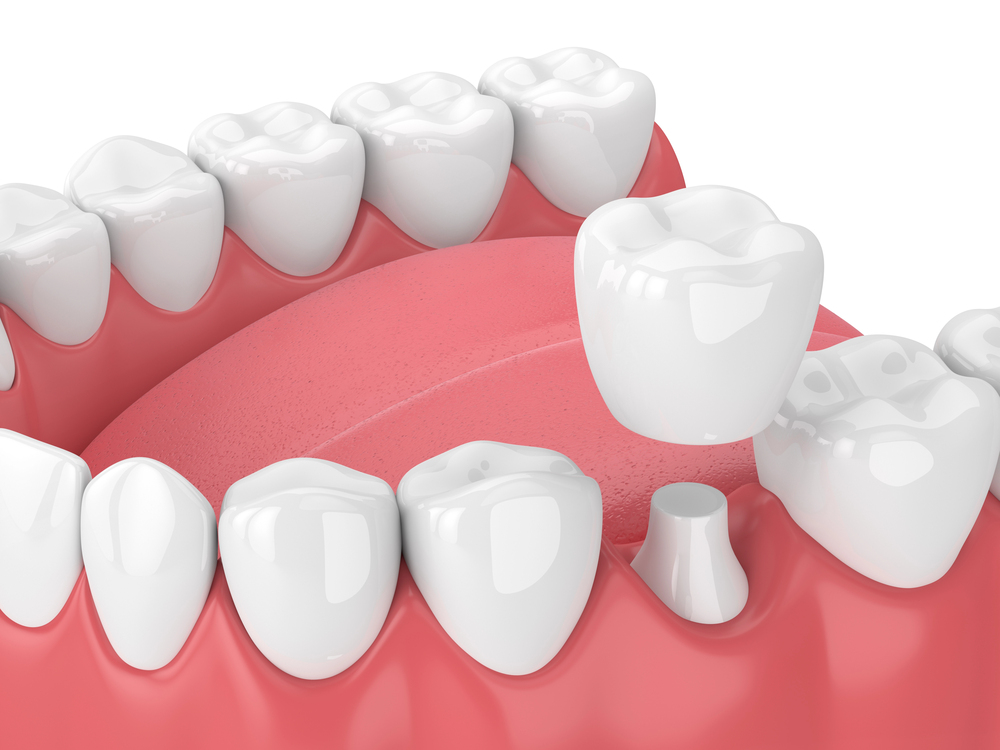
A dental crown is a custom-made cap that covers the entire visible portion of a tooth above the gumline. Instead of patching one small area, as a filling does, a crown surrounds the tooth and holds it together. This protects what remains of the natural tooth and restores its shape so it can handle normal chewing again.
We recommend crowns for a range of situations. A tooth with a crack may need a crown to keep the crack from spreading. A tooth that has lost too much structure to decay or an aging filling may not support another filling. After root canal therapy, especially on back teeth, a crown helps protect the treated tooth. Crowns also cover dental implants, anchor bridges, and improve the look of a discolored or misshapen tooth as part of cosmetic care.
Many patients who visit us from Calabasas want to handle their whole family's care in one place, and that is the approach we take. We describe ourselves as a one-stop shop for family dentistry. We see children and adults, and we offer general, restorative, and cosmetic treatment under the same roof. Dr. Dar Radfar, DDS, leads our practice.
Our office has an on-site dental lab, which supports close coordination as your crown is made. Our team also includes specialists, among them a board-certified endodontist and a board-certified periodontist. If a tooth needs a root canal or a crown-lengthening procedure before it can hold a crown, we can often coordinate that care here instead of sending you elsewhere.
Am I a good candidate for a dental crown?
You may be a good candidate if a tooth is cracked, heavily filled, badly decayed, or recently treated with a root canal. The best way to know is an exam. During your visit, we look closely at the tooth and take imaging as needed to see what is happening below the surface.
Sometimes a smaller restoration, such as a filling, inlay, or onlay, can save more of your natural tooth. We offer all of these, so we can recommend the option that fits your situation. If a tooth cannot be saved, we will talk with you about replacement options such as implants, bridges, or dentures.
What happens during the crown process?
The process usually starts with an exam and imaging, followed by preparing the tooth and fitting a custom crown. Here is what most patients can expect:
- Evaluation: We examine the tooth, review imaging, and explain your options.
- Preparation: After numbing the area, we gently reshape the tooth so the crown can fit over it.
- Impressions: We capture the shape of your tooth and bite so the crown is made to fit.
- Temporary protection: A temporary crown is often placed while your permanent crown is made.
- Final placement: We check the fit, bite, and appearance, then bond the crown in place.
If dental visits make you nervous, you are not alone. We offer sedation options, including nitrous oxide, oral sedation, and IV sedation, and a board-certified dental anesthesiologist is on our team. We are glad to discuss which approach might help you feel more at ease.
How do I care for my crown afterward?
Care for a crown much as you would a natural tooth: brush twice a day, floss daily, and keep up with regular cleanings and exams. The crown itself cannot decay, but the tooth underneath and the gums around it still need attention, especially where the crown meets the gumline.
If you grind or clench your teeth, tell us. We offer night mouth guards that help protect crowns and natural teeth from that pressure, and our practice has a strong focus on TMJ care for patients whose jaw habits affect their teeth. If a crown ever feels loose or uncomfortable, call us. We offer emergency dental appointments.
How can I pay for a dental crown?
We accept all major PPO insurance plans, and we will help you understand how your coverage applies to crown treatment. We also welcome self-pay patients.
For Calabasas patients who want to spread out the cost, financing is available. We will review your options with you before treatment begins so you can plan with confidence. If a tooth has been bothering you, contact 805 Dentistry to schedule an evaluation.