Cavity Detection in West Hills
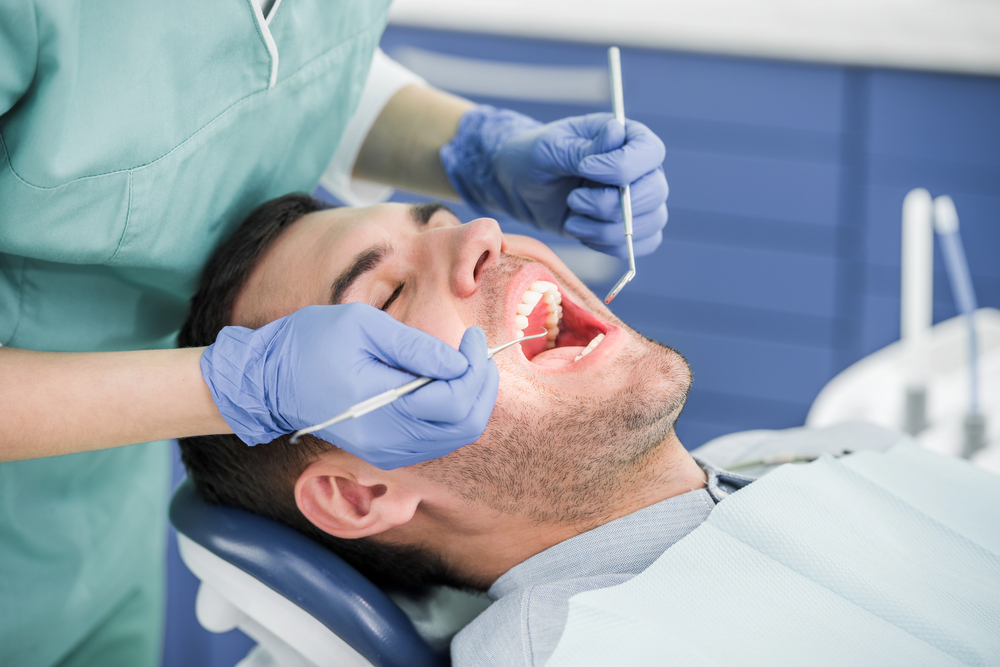
A cavity rarely announces itself. Decay often begins between two back teeth or under the edge of an older filling, places you can't see in the mirror, and it can grow for months before it causes any sensitivity at all. Finding it while it is still small is what cavity detection is all about. Our team at 805 Dentistry helps West Hills patients catch decay early, when treatment is usually simpler and more of the natural tooth can be kept.
Cavity detection is the part of a dental exam where we look for tooth decay at every stage, from early weak spots in the enamel to deeper areas that need repair. It starts with a careful visual and hands-on check of each tooth. We look at chewing surfaces, the edges of existing fillings and crowns, and the spaces near the gumline where plaque tends to collect.
Because many cavities hide between teeth, we pair that exam with 2D and 3D dental imaging when it's appropriate. Images let us see areas that are invisible during a visual check, such as decay forming under a contact point or beneath an older restoration. We also have a board-certified oral and maxillofacial radiologist on staff, so our imaging support goes well beyond a typical general office.
Cavity detection is for everyone, which is why it is part of routine care for every patient we see. Our practice treats children and adults of all ages, so a West Hills family can bring a young child, a teenager with braces, and a grandparent with older dental work to the same office. Each of them has different risk areas, and we adjust the exam to match.
Some situations call for closer attention. These include patients who haven't had a checkup in a while, people with dry mouth or a sweet tooth, kids whose newer molars have deep grooves, and adults with large fillings or crowns that are aging. A tooth that has started to feel sensitive to cold or sweets is another good reason to come in sooner rather than waiting for your next cleaning.
What happens during a cavity detection visit?
Most of the time, cavity detection happens during your regular dental exam and cleaning, so there's no separate appointment to plan around. Here is what you can expect:
- A review of your health history and any symptoms you've noticed
- A tooth-by-tooth exam of surfaces, fillings, and the gumline
- Dental imaging when needed to check between and beneath teeth
- A clear explanation of anything we find, with images you can see
- A discussion of your options before any treatment begins
If we find an early weak spot, we may recommend preventive steps such as fluoride treatment or dental sealants on vulnerable chewing surfaces. If decay has formed a cavity, we can talk through restorations like dental fillings, inlays, onlays, or crowns, depending on size. When decay has reached deeper into a tooth, our team includes a board-certified endodontist for root canal care.
What if I'm nervous about dental visits?
You're not alone, and we offer options that can help. Our board-certified dental anesthesiologist provides sedation for patients with dental anxiety, including nitrous oxide, oral sedation, and IV sedation. For younger patients ages 4 to 14, parents are welcome in the treatment room, which helps many kids feel more at ease.
We also find that simply knowing what's happening makes a big difference. We explain each step as we go and show you your images, so you understand why we're recommending anything. Catching decay early also means the treatment that follows is often less involved.
How do I care for my teeth after a cavity is found?
The best aftercare is steady home care plus regular checkups so we can keep watching any areas of concern. Brush twice a day, clean between your teeth daily, and pay extra attention to any spots we've pointed out. If we placed a filling, we'll give you specific instructions for the first day or so.
Keeping your routine visits is just as important. Regular dental exams and cleanings let us compare images and notes over time, so small changes don't go unnoticed. If a tooth suddenly starts to hurt between visits, we offer emergency dental appointments.
How can I pay for cavity detection and treatment?
We accept all major PPO insurance plans, and we're happy to help you understand your coverage before treatment. Cavity detection is usually part of a routine exam. Your plan's details determine what is covered.
If you don't have dental insurance, we welcome self-pay patients, and financing is available for treatment that follows. Our goal is to make it practical for West Hills patients to keep up with preventive care. Give our office a call to schedule your exam, and we'll take it from there.