Root Canal Therapy in Woodland Hills
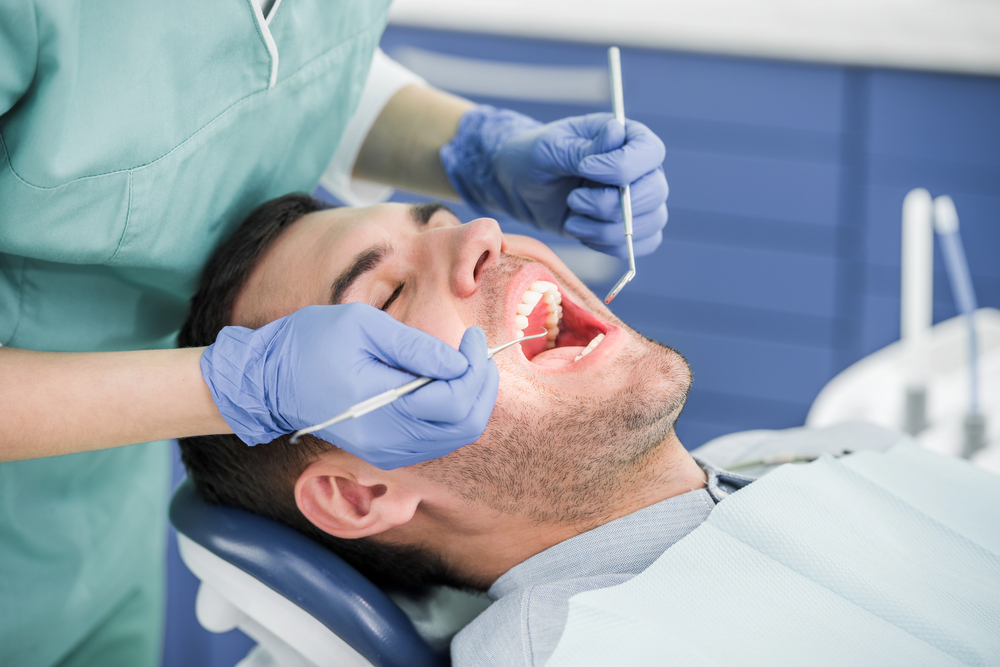
Root canal therapy removes infected or inflamed tissue from inside a tooth so we can save the tooth instead of extracting it. For Woodland Hills patients dealing with a lingering toothache, sensitivity, or a cracked tooth, our team at 805 Dentistry offers root canal care on front teeth, premolars, and molars. A board-certified endodontist is on our staff, and you do not need a referral to schedule with us.
Inside every tooth is the pulp, a soft core of nerves and blood vessels that runs through narrow canals into the root. Deep decay, a crack, or an injury can let bacteria reach the pulp. Once that happens, the tissue can become inflamed or infected. During root canal therapy, we clean out the damaged pulp, disinfect and shape the canals, and seal them so the natural tooth can stay in place.
Many people expect this treatment to be an ordeal. In practice, it addresses the problem that is causing the discomfort. Keeping your own tooth helps you chew normally and keeps your neighboring teeth from shifting. It also avoids the extra steps that come with replacing a missing tooth. Woodland Hills is one of the communities we serve from our Thousand Oaks office, and many patients choose us because endodontic care, imaging, crowns, and sedation are all available under one roof.
The type of tooth shapes the treatment. Anterior root canals treat front teeth, which usually have a single canal. These procedures tend to be the most straightforward, and they matter for both appearance and biting. Premolar root canals treat the teeth between your canines and molars. Premolars may have one or two canals, so these cases fall in the middle range of complexity.
Molar root canals treat the large back teeth that handle most of your chewing. Molars often have three or more canals, and some of those canals are curved or narrow. These cases often take longer and benefit most from detailed imaging. Our office provides CBCT and 3D imaging, which helps us map canal anatomy before and during treatment. Molars and premolars also usually need a crown afterward to protect them from chewing forces.
Am I a candidate for root canal therapy?
You may be a candidate if the pulp of a tooth is damaged but the tooth itself can still be restored. Common signs include:
- Lingering sensitivity to hot or cold
- Pain when biting or chewing
- Swelling or tenderness in the gums near a tooth
- A tooth darkening after an injury
- A cracked or chipped tooth that exposes deeper layers
Some patients have no symptoms at all, and we find the problem on an X-ray during a routine exam. Our endodontist also treats cracked teeth and traumatic dental injuries. We perform root canal retreatments for teeth that were treated before but have developed new problems. When retreatment isn't the best path, we also offer apicoectomy, a procedure that treats the root tip directly.
What happens during the procedure, and is it painful?
The procedure is performed with local anesthetic so the tooth is numb while we work. If you feel anxious about dental care, we have a board-certified dental anesthesiologist on staff. We offer nitrous oxide, oral sedation, IV sedation, and general anesthesia, and we can discuss which option fits your needs.
First, we take images and isolate the tooth. Then we create a small opening to reach the pulp. We remove the damaged tissue, clean and shape each canal, and fill the canals with a sealing material. A temporary or permanent filling closes the opening. Many teeth, especially molars and premolars, then receive a crown. Our on-site dental lab supports that restoration step. If you're in pain, we offer same-day emergency appointments, so Woodland Hills patients don't have to wait days for relief.
How do I care for my tooth afterward, and how can I pay for treatment?
Expect some tenderness for a few days after treatment. Over-the-counter pain relievers can help, and so can chewing on the other side until your final restoration is in place. Keep brushing and flossing as usual, and contact us if swelling or pain gets worse instead of better. Regular exams and cleanings help us keep an eye on the treated tooth along with the rest of your smile.
We accept all major PPO insurance plans and welcome self-pay patients. Because our endodontic care is provided by a specialist, claims for that care are filed as specialist services. Financing is available for patients who want to spread out the cost. Our team will review your coverage and options with you before treatment begins. If a tooth is bothering you, call our office to schedule a visit, and we'll help you decide on the right next step.