Dental Rehabilitation in Calabasas
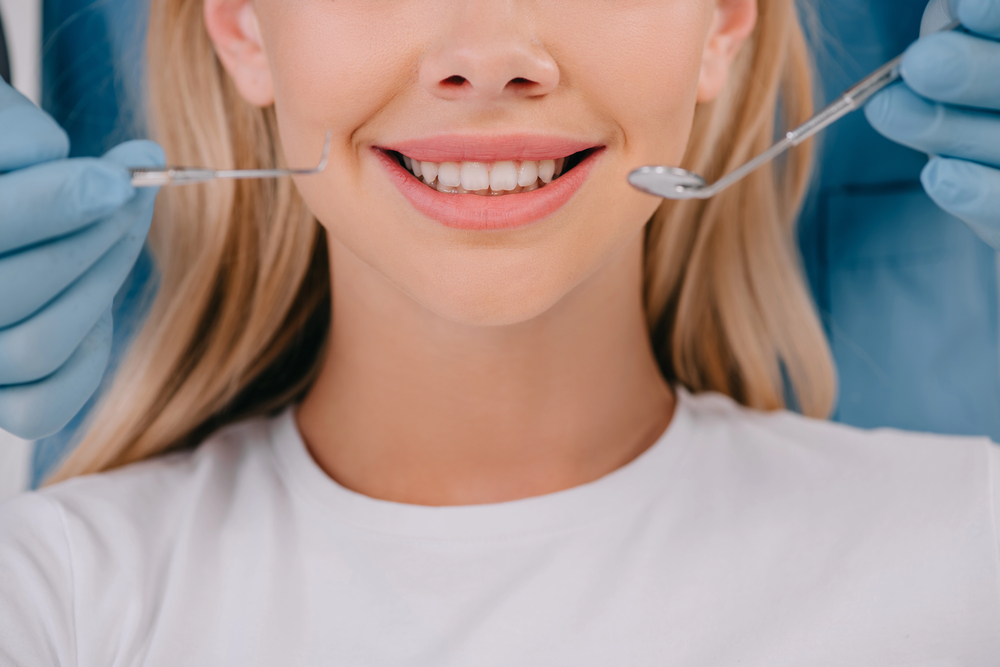
Maybe you've been patching problems one at a time: a crown here, a filling there, a tooth that never felt right after an old injury. Now chewing takes effort, your bite feels off, and you're not sure where to start. For many of our Calabasas patients, that is the point when a coordinated plan makes more sense than another single repair. At 805 Dentistry, we help you step back, look at your whole mouth, and rebuild health, function, and comfort in an organized way.
Dental rehabilitation is a comprehensive approach to restoring a mouth affected by multiple problems at once. Instead of treating each tooth in isolation, we evaluate your teeth, gums, bite, and jaw together, then build a sequenced plan. Depending on your needs, that plan may combine restorative dentistry such as crowns, bridges, inlays, onlays, and fillings with gum disease treatment, root canal therapy, extractions, or tooth replacement.
The range of situations is broad. Some patients have worn or cracked teeth from years of grinding. Others are missing several teeth, have advanced gum disease, or live with aging dental work that is failing. When teeth can't be saved, options can include dental implants, implant-supported bridges, complete or partial dentures, snap-in dentures, or full-arch solutions like All-on-4, All-on-6, and All-on-X implants.
Families from Calabasas often tell us that coordinating care across several offices is one of the hardest parts of extensive treatment. Our practice in Thousand Oaks brings many disciplines under one roof. Our team includes a board-certified periodontist, a board-certified endodontist, a board-certified oral and maxillofacial radiologist, and a board-certified dental anesthesiologist, working alongside our general dentistry team led by Dr. Dar Radfar, DDS.
That structure matters for rehabilitation. Gum treatment, root canals, implant placement, bone grafting, sinus lifts, and final restorations can be planned together rather than handed off between offices. Our on-site dental lab also supports restorative work as your treatment progresses. And because we have a strong focus on TMJ treatment, we pay close attention to how your bite and jaw function fit into the overall plan.
Am I a good candidate for dental rehabilitation?
You may be a good candidate if you have several dental problems affecting how you eat, speak, or feel about your smile. Common signs include:
- Multiple missing, broken, or severely worn teeth
- Gum disease affecting the support of your teeth
- Old crowns, bridges, or fillings that are breaking down
- Bite problems, jaw discomfort, or clicking related to tooth wear
- Damage from a traumatic dental injury
- Dentures that no longer fit or function well
Candidacy is always decided after a thorough exam. Some patients need groundwork first, such as treating gum infection or rebuilding bone with grafting, before implants or other restorations are placed. We'll explain what's needed and why, so you understand each step before anything begins.
What does the dental rehabilitation process involve?
The process starts with a detailed evaluation and moves through treatment in a planned order. We begin with an exam, cavity detection, an oral cancer screening, and imaging, which can include CBCT 3D scans for a clear view of your bone, roots, and jaw. Tools such as Digital Smile Design can help us show you how your planned restorations may look.
From there, treatment typically follows a logical sequence: addressing pain, infection, and gum health first, then completing foundational work like root canals, extractions, or grafting, and finally placing crowns, bridges, implants, veneers, or dentures. Extensive plans are often completed over several visits. If anxiety is a concern, we offer nitrous oxide, oral sedation, IV sedation, and general anesthesia through our board-certified dental anesthesiologist.
How do I care for my teeth after treatment?
Long-term care centers on consistent home hygiene and regular professional visits. Brushing, flossing, and cleaning around implants or bridges as we show you helps protect your investment. We'll tailor instructions to the specific restorations you receive.
Ongoing visits may include dental cleanings, periodontal maintenance, and implant maintenance provided by our periodontal team. If you grind your teeth, we may recommend a night guard to help protect your new restorations. These check-ins let us catch small issues early.
How can I pay for dental rehabilitation?
We work with you to find a payment approach that fits your situation. We accept all major PPO insurance plans and welcome self-pay patients. Because rehabilitation plans vary widely, we review costs with you after your evaluation instead of quoting a single figure.
Financing is also available, which can make phased treatment more manageable. Our team will walk you through your options, help you understand your coverage, and answer questions before you commit. When you're ready, we're glad to welcome you from Calabasas and help you plan your next steps with confidence.