Inlays in Calabasas
If your dentist has told you a cavity is too large for a routine filling but your tooth doesn't need a full crown, an inlay may be the right middle ground. At 805 Dentistry, we place inlays for patients from Calabasas and nearby communities who want to repair damaged back teeth while keeping as much of their natural tooth as possible. Our Thousand Oaks office is led by Dr. Dar Radfar, DDS, and we care for children and adults, so one practice can handle your family's restorative needs.
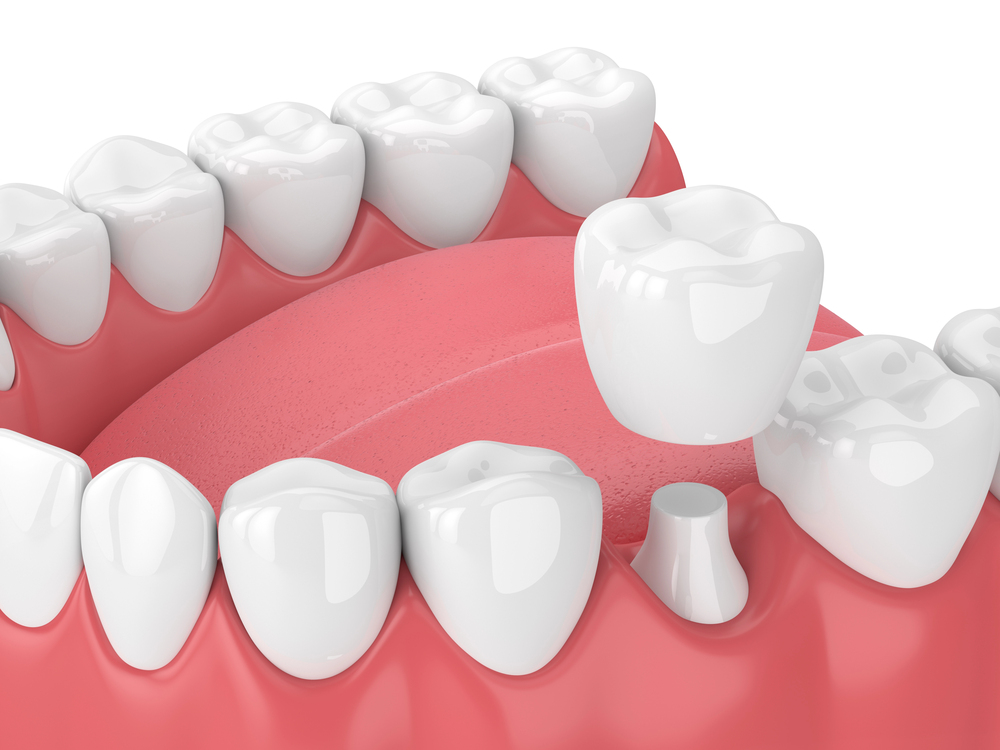
An inlay is a custom-made restoration that fits into the grooves and center of a tooth, between the raised points on its chewing surface known as cusps. It is usually used on molars and premolars, where decay or an old, worn filling has damaged the inner part of the tooth but the outer walls and cusps are still sound. Because the inlay is made to match your tooth's exact shape, it fills that space precisely before being bonded in place.
Inlays sit between fillings and crowns in the range of restorative options. A filling is shaped directly inside the tooth, while a crown covers the entire visible tooth. An inlay is made outside the mouth and then fitted, which makes it a good choice when the damaged area is too large for a filling but a crown would mean removing healthy structure you don't need to lose. If the damage reaches one or more cusps, we may recommend an onlay instead. We offer both, so we can match the restoration to your tooth.
Many Calabasas patients come to us for an inlay because they want a lasting repair that looks natural and preserves their tooth. Common advantages include:
- Conservative treatment: Only the damaged portion of the tooth is removed, so more healthy enamel stays in place.
- Precise fit: Each inlay is custom made for your tooth, which helps it seal well along the edges.
- Natural appearance: Tooth-colored materials can blend with the surrounding enamel.
- Strength for chewing: Inlays are designed to handle the pressure placed on back teeth.
Inlays also fit a wide range of situations. A patient may have a large cavity found during a routine exam, an older filling that has cracked or worn down, or moderate decay between two back teeth. Each case is different, and we explain why an inlay, a filling, an onlay, or a crown makes the most sense for you.
Am I a good candidate for an inlay?
You may be a good candidate if you have moderate decay or damage in a back tooth and the cusps are still healthy. The best way to know is a thorough dental exam with imaging, which shows how far the damage extends.
At your first visit, we look closely at the affected tooth and the teeth around it. We also check your gums, because a restoration works best on a healthy foundation. If we find gum disease, we treat it first. If the damage is too extensive for an inlay, we will tell you directly and walk you through other restorative options, such as onlays or crowns.
What happens during inlay treatment?
Inlay treatment typically starts with removing the decay or old filling and shaping the tooth so the inlay can fit. We numb the area first so you stay comfortable. Then we record the precise shape of the prepared tooth and protect it while your inlay is made.
Our general dentistry office has an on-site dental lab, which helps keep the process coordinated within our practice. When your inlay is ready, we check its fit and your bite, make any needed adjustments, and bond it securely into place. For patients who feel nervous about dental work, we offer sedation options, including nitrous oxide, oral sedation, and IV sedation, and we have a board-certified dental anesthesiologist on staff.
How do I care for my inlay afterward?
You care for an inlay much as you care for your natural teeth. Brush twice a day, floss daily, and pay attention to the edges where the inlay meets your tooth. Some patients notice mild sensitivity for a short time after placement. If anything feels uneven when you bite down, call us so we can check it.
Regular cleanings and exams let us monitor your inlay and catch new problems early. If you grind your teeth at night, ask us about a night guard, which can help protect your restorations. Because we see patients from Calabasas for preventive, restorative, and emergency care, you can keep your follow-up visits with the team that placed your inlay.
How can I pay for inlays?
We accept all major PPO insurance plans and are glad to help you understand your benefits before treatment begins. Coverage for inlays varies from plan to plan, so we review your estimate with you ahead of time.
We also welcome self-pay patients, and financing is available for those who want to spread out the cost of care. If you live in Calabasas and have a tooth that needs more than a filling, contact 805 Dentistry to schedule an exam and find out whether an inlay is right for you.