Implant-Supported Bridges in Moorpark
If you're missing two or more teeth in a row, you may be weighing your options: a removable partial, a traditional bridge anchored to neighboring teeth, or something more permanent. For many of our Moorpark patients, an implant-supported bridge offers a fixed, stable way to restore a gap without relying on healthy adjacent teeth for support. At 805 Dentistry, our Thousand Oaks office cares for families throughout Moorpark and the surrounding communities. We bring implant planning, placement, and restoration together under one roof so the process feels clear and manageable from your first visit.
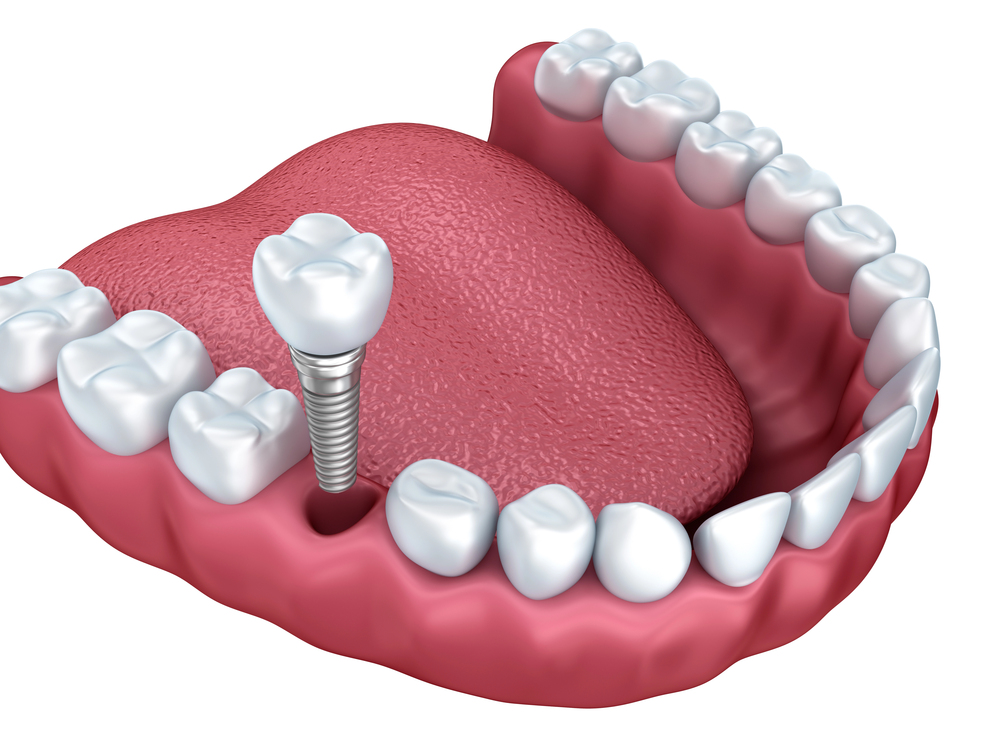
An implant-supported bridge replaces several missing teeth using dental implants as anchors instead of natural teeth. Rather than placing an implant for every missing tooth, we typically place implants at strategic points along the gap. A connected row of replacement teeth is then attached to those implants. The result is a fixed restoration you don't take out at night.
This differs from a traditional bridge in an important way. A conventional bridge requires reshaping the healthy teeth on either side of the gap so they can hold crowns that support the replacement teeth. An implant-supported bridge leaves those neighboring teeth alone, because the implants carry the load. For Moorpark patients who have lost teeth to decay, injury, gum disease, or extractions, this approach can be a practical middle ground between single implants and full-arch solutions.
Patients often choose an implant-supported bridge because it combines stability with a natural-feeling result. Here's what many people find appealing:
- Fixed in place: no adhesives or removal for cleaning, unlike a removable partial denture
- Protects neighboring teeth: healthy adjacent teeth don't need to be reshaped
- Fewer implants for multiple teeth: a few implants can support a span of replacement teeth
- Comfortable chewing and speaking: the bridge is anchored securely rather than resting on your gums
- Supports your jawbone: implants stimulate the bone where teeth are missing
Because our office includes an on-site dental lab, we can coordinate the design and fit of your bridge closely with the clinical side of your care. For patients making the trip from Moorpark, keeping these steps connected can mean smoother communication and fewer handoffs between outside offices.
Am I a good candidate for an implant-supported bridge?
You may be a good candidate if you're missing several adjacent teeth and have healthy gums and enough jawbone to support implants. The best way to know for sure is a thorough evaluation in our office.
During your consultation, we use CBCT imaging and 3D dental imaging to see your bone structure in detail, and our board-certified oral and maxillofacial radiologist helps interpret those scans. If bone has thinned where teeth were lost, that doesn't automatically rule you out. We offer bone grafting and sinus lift surgery to help build a stronger foundation when needed. If gum disease is present, we can treat it first so your implants start in a healthy environment.
What does the treatment process involve?
The process involves planning, implant placement, a healing period, and then attaching your custom bridge. Each step is tailored to your mouth, and we walk you through it in advance so you know what's coming.
After your imaging and planning visit, our board-certified periodontist places the implants. Over the following months, the implants bond with your jawbone, and we may provide a temporary solution in the meantime. Once healing is complete, we take impressions and design your final bridge in our on-site lab before securing it to the implants. If you feel anxious about dental procedures, we offer nitrous oxide, oral sedation, IV sedation, and general anesthesia, administered by our board-certified dental anesthesiologist.
How do I care for my implant-supported bridge?
You care for an implant-supported bridge much like natural teeth: daily brushing, careful cleaning around and beneath the bridge, and regular dental visits. Consistent home care helps protect the gums and bone that keep your implants secure.
We'll show you how to clean under the bridge and recommend tools that make it easier. Our team also provides implant maintenance and periodontal care, so we can monitor the health of the tissue around your implants at your routine checkups. If you clench or grind your teeth, we may recommend a night guard to help protect your restoration.
How can I pay for my implant-supported bridge?
We accept all major PPO insurance plans, welcome self-pay patients, and offer financing to help make treatment more manageable. Our team will review your options with you before treatment begins.
Coverage for implant treatment varies from plan to plan, so we're happy to help you understand your benefits. If you're comparing options, we can explain how an implant-supported bridge fits alongside alternatives like traditional bridges or partial dentures. When you're ready, Dr. Dar Radfar and our team look forward to welcoming you from Moorpark and helping you plan a confident next step.