Inlays in Moorpark
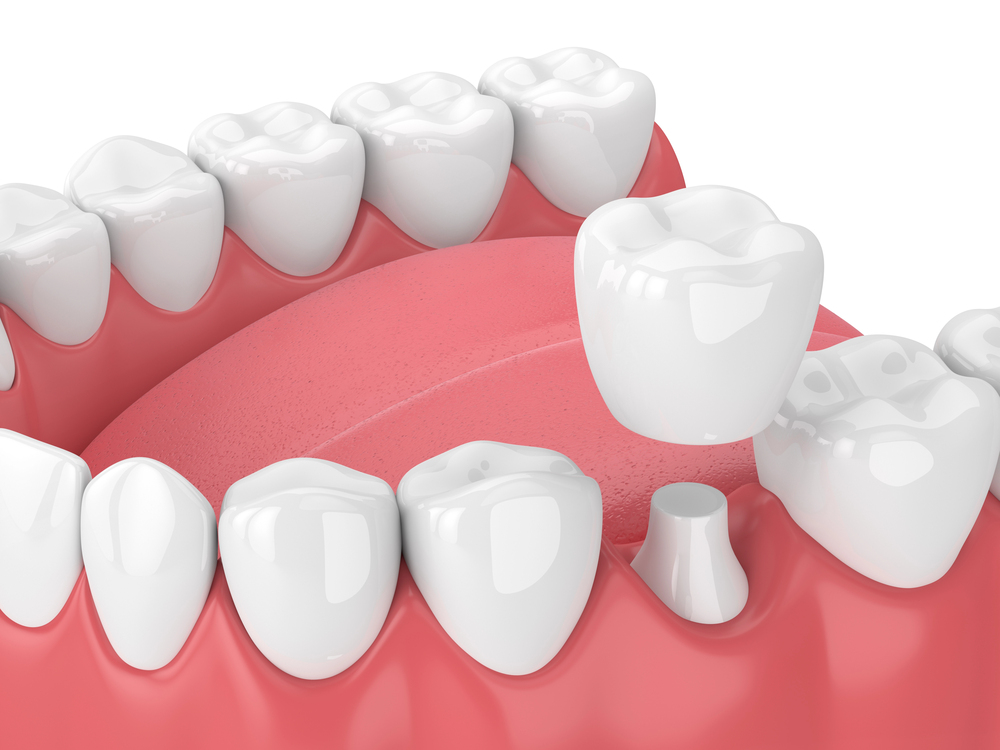
A cavity tucked between two back teeth, or an old filling that has started to crack along its edges, often leaves a gap too large for a simple filling but too small to justify covering the whole tooth with a crown. That in-between situation is exactly where an inlay fits. At 805 Dentistry, we place inlays for Moorpark patients who want to repair damage inside the chewing surface of a tooth while keeping as much of their natural tooth as possible. Our office is in Thousand Oaks, and we're glad to be a nearby option for Moorpark families looking for practical, conservative restorative care.
An inlay is a custom-made restoration that fits into the hollowed or damaged area within the cusps, or raised points, of a back tooth. Instead of being shaped directly in your mouth the way a standard filling is, an inlay is made to match the exact space being repaired. It is then bonded into place so it becomes a solid part of the tooth. Inlays are closely related to onlays, which we also offer. The difference is coverage. An inlay stays within the cusps, while an onlay extends over one or more of them when the damage reaches further.
Because an inlay is designed to fit one specific tooth, it offers some practical advantages for the right situation:
- It preserves more healthy tooth structure than a full crown.
- It fills a precise space, which helps protect the tooth from further breakdown.
- It can replace an older filling that is worn, cracked, or leaking.
- It restores the chewing surface so the tooth can handle everyday biting.
For many Moorpark patients, the appeal is simple: a solid repair without removing more of the tooth than necessary.
Inlays are typically a good match when decay or damage sits in the center of a molar or premolar and the surrounding walls of the tooth are still strong. They're also a common choice for replacing an aging filling that no longer seals well. If the damage has spread to the cusps, an onlay may suit you better. If the tooth is badly broken, a crown may be the more protective option. We offer all three, so we can recommend the one that fits your tooth rather than steering you toward a single option.
Your first visit starts with a dental exam and imaging so we can see the full extent of the problem, including anything hiding between teeth. We'll walk you through what we find, show you the area of concern, and explain the options in plain terms. Since we care for children and adults, Moorpark parents can often coordinate checkups and restorative visits for the whole family at one practice.
What happens during the inlay procedure?
The inlay process usually involves preparing the tooth, creating a custom restoration, and then bonding it into place. We begin by numbing the area so you stay comfortable. Then we remove the decay or old filling material and shape the space so the inlay will fit securely. Next, we capture the details of the prepared tooth so the restoration can be crafted to match.
Our office has an on-site dental lab, which helps us keep the fabrication of restorations like inlays close to the care you receive in the chair. When the inlay is ready, we check the fit and your bite carefully, make any fine adjustments, and bond it firmly to the tooth. If dental visits make you anxious, let us know. We offer nitrous oxide, oral sedation, and IV sedation, and we have a board-certified dental anesthesiologist on our team.
How do I care for my inlay afterward?
You care for an inlay much like your natural teeth, with daily brushing, flossing, and regular checkups. It's normal for the treated tooth to feel a little different for a short time while you get used to the new surface. If your bite ever feels uneven, call us so we can take a look and adjust it.
Flossing matters here, especially because many inlays sit near the spaces between teeth, where food and plaque collect. Routine dental cleanings and exams let us monitor the edges of the inlay and catch any new concerns early. If you grind your teeth at night, ask us about a night mouth guard to help protect your restorations. If something feels wrong between visits, we also offer emergency dental appointments.
How can I pay for an inlay?
We accept all major PPO insurance plans and will help you understand how your coverage applies to an inlay. Before treatment begins, we'll review your plan with you so you know what to expect. That way, nothing about the cost comes as a surprise.
If you don't have dental insurance, we welcome self-pay patients. We also offer financing to help spread out the cost of care. Many Moorpark patients find that addressing a damaged tooth with an inlay early is more manageable than waiting until a larger repair is needed. Reach out to our team to schedule your exam and talk through your options.