Crowns in Oxnard
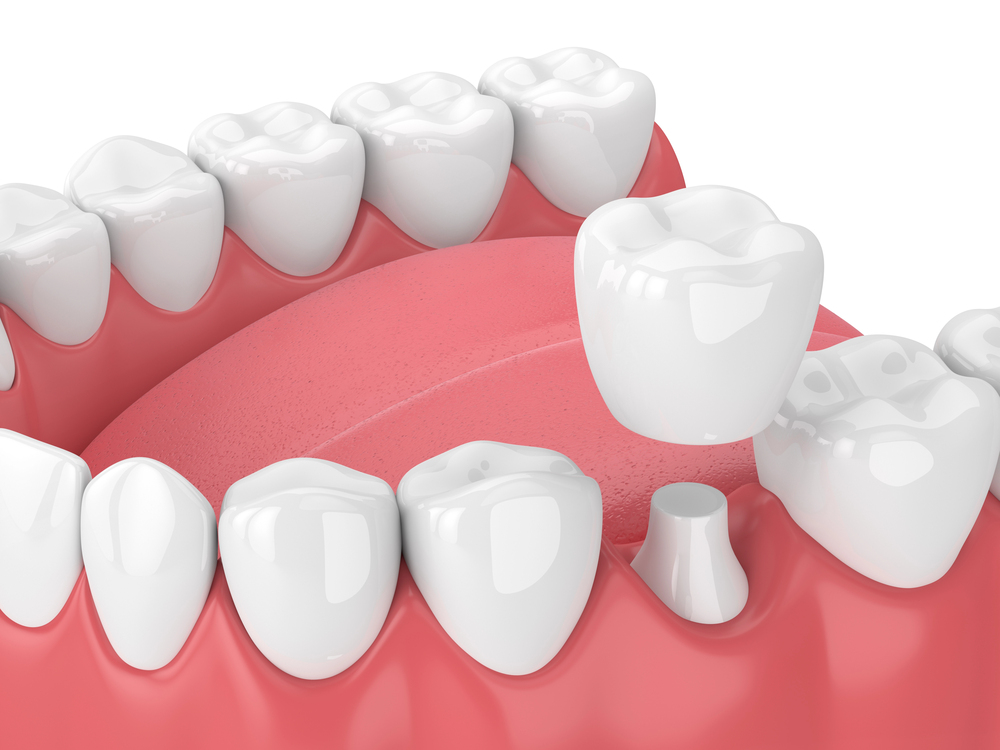
A tooth with a large old filling, a crack that sends a jolt through your jaw when you bite down, or a molar that just finished root canal treatment all have something in common: the remaining tooth structure often needs protection to keep working. A dental crown provides that protection. It's a custom cap that covers the visible portion of a tooth, restoring its shape and strength. Families from Oxnard come to our Thousand Oaks office for crowns, and we want you to understand exactly what the treatment involves before you decide.
A dental crown fits over a damaged or weakened tooth like a protective shell. It covers the tooth down to the gumline, holding compromised structure together and giving you a sturdy biting surface again. Unlike a filling, which replaces only a small portion of a tooth, a crown surrounds the entire visible tooth. That makes it a common choice when too much natural structure has been lost for a filling to hold up on its own.
Crowns are a core part of the restorative dentistry we provide. They also connect to many of our other treatments. A crown can top a dental implant, anchor one end of a bridge, or complete a tooth after root canal therapy. Because we offer all of these under one roof, Oxnard patients can often handle related steps with one familiar team instead of coordinating between offices.
Crowns help with a wide range of situations. A tooth that is cracked, badly decayed, worn down from grinding, or weakened by a very large filling may benefit from one. So can a tooth that has had root canal treatment, since those teeth can become more brittle over time. Some patients choose a crown for cosmetic reasons, such as covering a misshapen or discolored tooth that other options can't address well.
The only way to know whether a crown is the right fit is an exam. Dr. Dar Radfar and our team look at the tooth, your bite, and the health of the surrounding gums. We often use 2D or 3D dental imaging to see what is happening beneath the surface. If a crown isn't the best choice, we'll explain the alternatives. Depending on your situation, those might include a filling, an inlay or onlay, or composite bonding.
What happens during the crown process?
Getting a crown usually involves two main stages: preparing the tooth, then placing your finished restoration. At the first visit, we numb the area. Then we remove any decay and gently reshape the tooth so the crown can fit over it securely. Next, we take an impression and place a temporary crown to protect the tooth while your permanent one is made.
Our office has an on-site dental lab, which helps us manage the fabrication of restorations closely. At your next visit, we remove the temporary crown, check the fit and bite of your new crown, and then bond it into place. Here is what you can generally expect:
- A thorough exam and imaging to confirm a crown is appropriate
- Local anesthetic so the tooth is numb during preparation
- A temporary crown to wear between appointments
- Careful fit and bite adjustments before final placement
For some teeth, extra steps help a crown succeed. If too little tooth sits above the gumline, our board-certified periodontist can perform crown lengthening to expose more structure. If the tooth needs a root canal first, our board-certified endodontist can provide that care.
What if I'm nervous, or my tooth needs attention quickly?
You don't have to push through dental anxiety alone. We offer several sedation options, including nitrous oxide, oral sedation, and IV sedation, and we have a board-certified dental anesthesiologist on staff. Many patients find that simply knowing these options exist makes it easier to schedule.
A cracked or broken tooth can't always wait, either. We offer emergency dental appointments. If you're in Oxnard and suddenly have a painful or fractured tooth, call us and we'll talk through how soon we can see you.
How do I care for my crown, and how can I pay for it?
Caring for a crown is a lot like caring for your natural teeth. Brush twice a day, floss daily, and keep up with regular cleanings and exams. The tooth underneath can still develop decay near the gumline, so your routine still matters. If you grind or clench, ask us about a night mouth guard to help protect your crown and your other teeth.
For payment, we accept all major PPO insurance plans and welcome self-pay patients. Financing is also available if you'd like to spread out the cost. Our team is glad to review your options before treatment so you can plan ahead. When you're ready, reach out to schedule a visit. We look forward to helping you protect your smile.