Crowns in Thousand Oaks
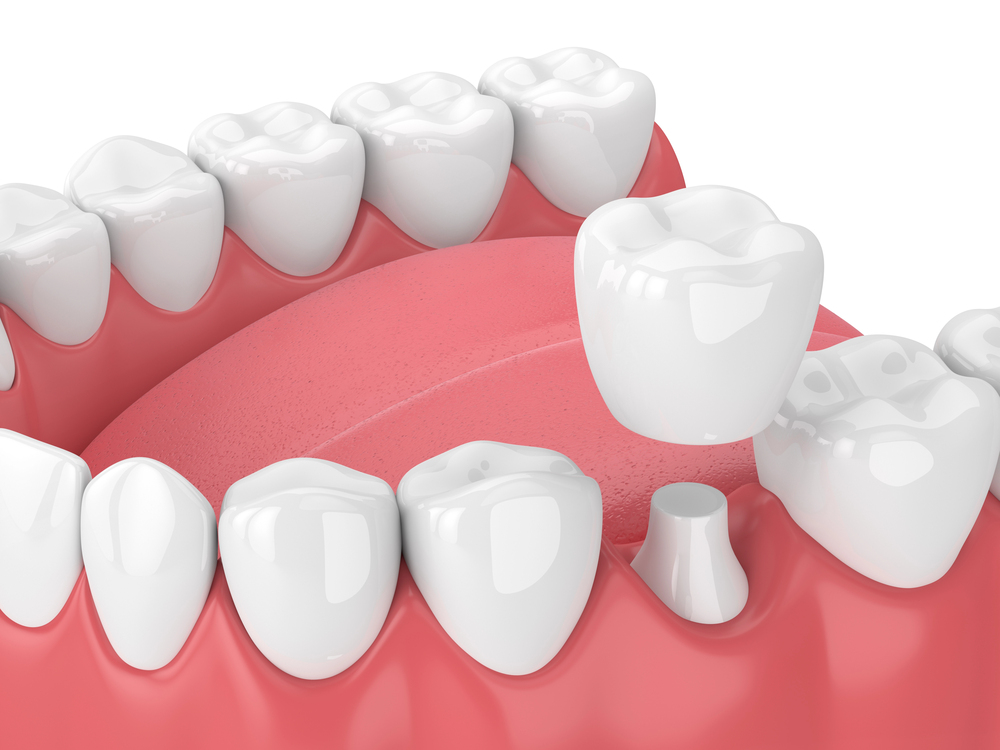
A tooth with a large old filling, a crack that twinges when you bite down, or a molar recovering from a root canal often has the same problem: there isn't enough strong natural structure left to handle daily chewing on its own. A dental crown solves that by covering and protecting the entire visible portion of the tooth. At 805 Dentistry, our family and cosmetic practice in Thousand Oaks, we place crowns for patients who want to keep their natural teeth working comfortably for as long as possible.
A dental crown is a custom-made cap that fits over a prepared tooth, restoring its shape, strength, and appearance. Unlike a filling, which replaces only a portion of a tooth, a crown encircles the whole chewing surface and sides. That full coverage is what makes crowns so useful for teeth that have been weakened by decay, fractures, or previous dental work.
Crowns are one of the most versatile tools in restorative dentistry. We use them on their own to protect a damaged tooth, after root canal therapy to reinforce a treated tooth, as the anchoring pieces of a dental bridge, and on top of dental implants to replace a missing tooth. They can also serve a cosmetic role when a tooth is badly discolored or misshapen and other options, such as composite bonding or porcelain veneers, aren't the right fit.
Many of our Thousand Oaks patients first hear about crowns when something feels off: sensitivity when chewing, a piece of tooth that has chipped away, or a filling that keeps needing repair. Others learn they need one during a routine dental exam, when we spot a crack or a filling that has grown too large to support the remaining tooth.
Common situations where a crown may be the right choice include:
- A tooth with a large filling or extensive decay
- A cracked or fractured tooth
- A tooth that has had root canal therapy
- A worn-down tooth, sometimes related to grinding
- Supporting a bridge or restoring a dental implant
- Improving the look of a severely discolored or misshapen tooth
Not every damaged tooth needs a full crown. Sometimes an inlay or onlay can protect the tooth while preserving more of its natural structure. We examine the tooth, take any needed imaging, and explain the options we see so you can make an informed decision.
What happens during a crown appointment?
Getting a crown typically involves preparing the tooth, capturing its shape, and then placing the finished restoration. First, we numb the area so you stay comfortable, remove any decay, and gently reshape the tooth so the crown can fit over it securely.
Next, we record the shape of your tooth and bite so your crown can be designed to fit precisely. Our office has an on-site dental lab, which helps us coordinate the fabrication of your restoration closely with our clinical team. When the crown is ready, we check its fit, bite, and appearance before bonding it in place. If a tooth sits too low at the gumline for a crown to grip properly, we also offer crown lengthening to expose more tooth structure. For patients who feel anxious about dental work, we offer nitrous oxide, oral sedation, and IV sedation, with a board-certified dental anesthesiologist on our team.
How do I care for my crown afterward?
You care for a crown much like a natural tooth: brush twice a day, floss daily, and keep up with regular cleanings and exams. The crown itself can't decay, but the tooth underneath can, especially where the crown meets the gumline, so careful cleaning in that area matters.
It's normal to notice some mild sensitivity for a short time after placement. If your bite feels uneven or the crown feels loose, give us a call so we can take a look. If you clench or grind at night, we may recommend a night guard to help protect your crown and your other teeth. And if a crown ever breaks or comes off unexpectedly, we offer emergency dental appointments for urgent problems.
How can I pay for a dental crown?
We accept all major PPO insurance plans, and we're glad to help you understand how your benefits apply to your crown. We also welcome self-pay patients and offer financing for those who would like to spread out the cost of treatment.
Because every tooth is different, the cost of a crown depends on what your tooth needs, including whether additional treatment such as a root canal or crown lengthening is part of the plan. We'll review the recommended treatment with you before we begin so there are no surprises. Led by Dr. Dar Radfar, DDS, our team sees children and adults of all ages, so your whole family can find restorative, preventive, and cosmetic care together right here in Thousand Oaks. If a tooth has been bothering you, we'd be happy to examine it and talk through whether a crown is the right way to protect it.