Gum Grafting in Thousand Oaks
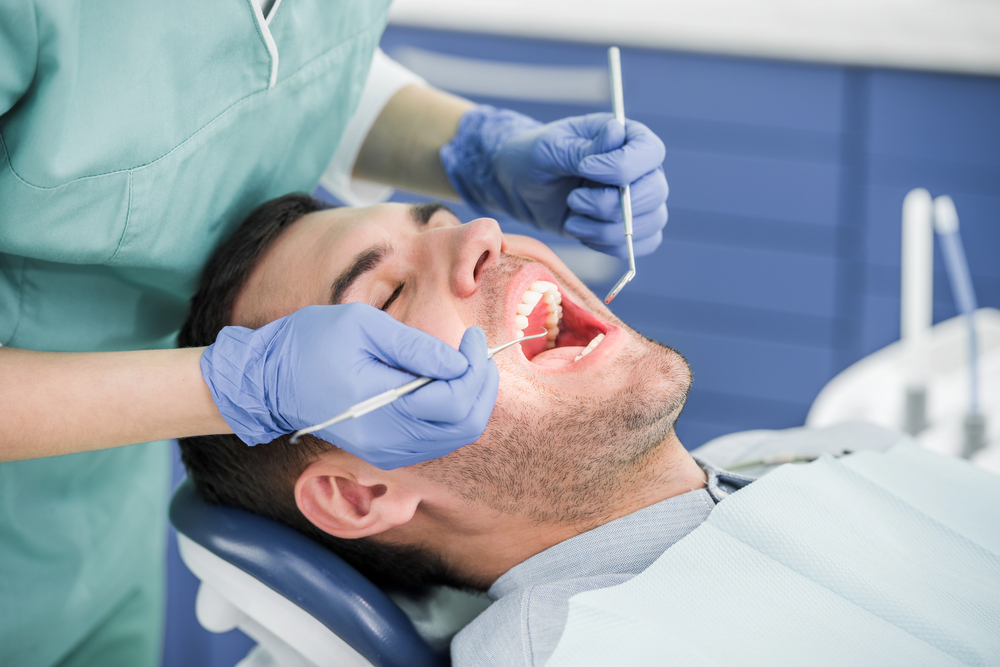
Gum recession often starts quietly. You might notice a tooth that looks a little longer than it used to, a twinge of sensitivity when you sip something cold, or a spot near the gumline that catches your toothbrush differently. These small changes matter because gums cover and protect the roots of your teeth. When that protection thins or pulls back, the roots become more exposed. For patients in Thousand Oaks who are noticing these changes, our team at 805 Dentistry offers gum grafting right here in our office, with a board-certified periodontist on staff to guide your care.
Gum grafting is a periodontal procedure that adds tissue to areas where the gums have receded. The goal is to cover exposed root surfaces and rebuild a healthier gumline around the affected teeth. Because our practice includes periodontics alongside general, family, and cosmetic dentistry, Thousand Oaks patients can be evaluated and treated in the same familiar office rather than being sent elsewhere.
You also don't need a referral to see our periodontist. If you or another dentist have noticed recession, you can contact our office directly to schedule an evaluation. We also perform related periodontal care, including periodontal regeneration, cosmetic gum contouring, and crown lengthening. That lets us recommend the approach that fits your situation rather than a one-size-fits-all fix.
Gum grafting can help a wide range of people. Some patients come to us because recession has made their teeth sensitive. Others are bothered by how uneven or "long" certain teeth look when they smile. Still others learn about recession during a routine dental exam or cleaning. Recession can show up alongside gum disease, so we look at the whole picture of your gum health before recommending treatment.
The benefits of restoring receding gums can include:
- Covering exposed root surfaces that may be more vulnerable
- Supporting a more even, balanced gumline
- Addressing sensitivity linked to exposed roots
- Creating a healthier foundation for other dental work, such as implants or restorations
If gum disease is part of the concern, we may first recommend treatments such as scaling and root planing to clean below the gumline. Once your gums are healthier, grafting can be considered as part of a broader plan.
How do I know if I'm a candidate for gum grafting?
The best way to find out is with an evaluation by our periodontist. During your visit, we examine your gums, measure the areas of recession, and talk with you about any sensitivity, cosmetic concerns, or changes you've noticed. We also offer 2D and 3D dental imaging, including CBCT imaging when appropriate, which helps us understand what's happening beneath the surface.
Candidacy depends on factors such as the extent of recession, the condition of the surrounding gums and bone, and your overall oral health. We'll explain what we see in plain language and walk you through your options. Our goal is for you to leave understanding your situation and feeling confident about the next step.
What happens during the procedure, and will I be comfortable?
Most patients can be kept comfortable throughout treatment, and we offer several ways to help. Before the procedure begins, the area is numbed. For patients who feel anxious about dental work, we offer sedation options, including nitrous oxide, oral sedation, IV sedation, and general anesthesia. These options are provided with a board-certified dental anesthesiologist on staff.
During the procedure, our periodontist places tissue over the area of recession and secures it so it can heal into place. We'll explain beforehand exactly which areas we're treating and what to expect on the day. This way, nothing about your appointment comes as a surprise.
What should I expect during recovery?
Recovery usually involves some temporary tenderness, and we give you clear aftercare instructions to support healing. These typically include guidance on eating, brushing near the treated area, and caring for the site in the days after your procedure. Following these instructions closely is one of the most important things you can do for a smooth recovery.
We'll schedule follow-up visits to check on your healing. Over the long term, regular periodontal maintenance and routine cleanings help protect your gums. Since we provide preventive, general, and specialty care under one roof, your follow-up visits stay convenient and in one familiar office.
How can I pay for gum grafting?
We work with you to make treatment affordable. 805 Dentistry accepts all major PPO insurance plans. For periodontal care, we file claims as a specialist. We also welcome self-pay patients, and financing is available for those who prefer to spread out the cost.
Coverage varies from plan to plan, so our team is happy to review your benefits with you before treatment begins. Led by Dr. Dar Radfar, our practice has served families throughout Thousand Oaks and nearby communities as a one-stop shop for dental care. If you've noticed signs of gum recession, contact our office to schedule an evaluation and learn whether gum grafting is right for you.