Bone Grafting in West Hills
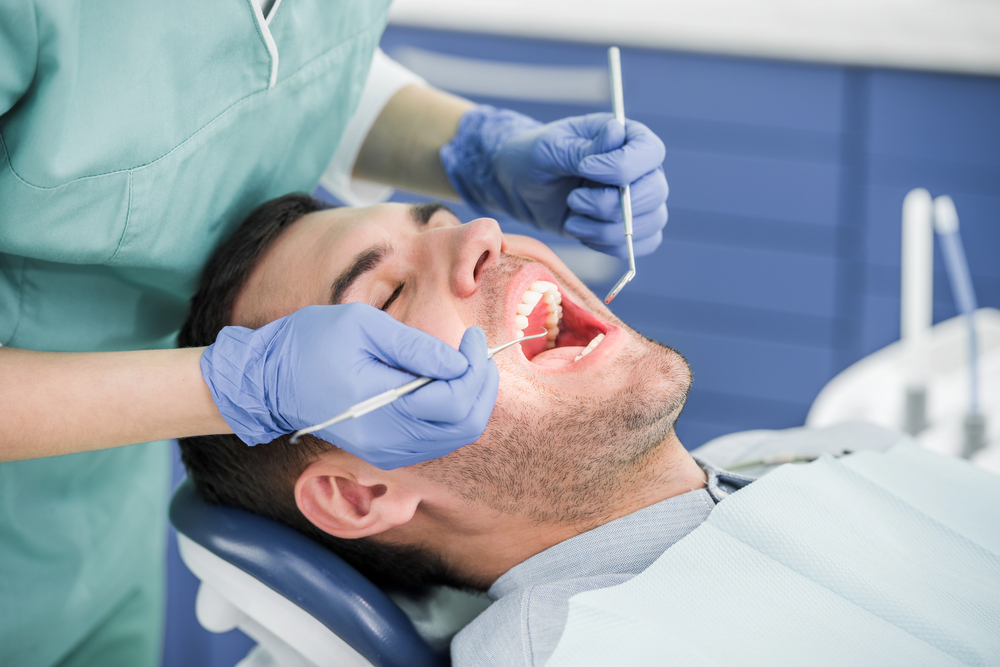
When a tooth is lost or removed, the jawbone that once held it can begin to shrink, sometimes leaving too little bone to support a dental implant. Bone grafting rebuilds that missing foundation so tooth replacement becomes possible again. At 805 Dentistry, our Thousand Oaks office regularly sees patients from West Hills who want to replace a missing tooth but have been told they may not have enough bone. We handle evaluation, grafting, and the restorations that follow under one roof.
A bone graft adds bone or bone-like material to an area of the jaw that has thinned or worn away. Over time, your body uses the graft as a framework, building new bone in the area. The goal is to create a stable, healthy site that can support future treatment, most often a dental implant.
Grafting can serve several needs. Some patients need a small graft placed right after an extraction to help preserve the socket. Others need a larger graft where bone has receded after years of a missing tooth or gum disease. In the upper back jaw, where the sinus sits close to the teeth, we also offer sinus lift surgery to add bone height before implant placement.
Grafting often makes the difference between "you can't have an implant" and a workable plan. For West Hills patients considering implants, implant-supported bridges, implant-supported dentures, or full-arch options such as All-on-4, All-on-6, or All-on-X, enough healthy bone is a key part of the picture.
The benefits of rebuilding lost bone include:
- Creating a foundation that can support dental implants
- Helping preserve the jaw after an extraction
- Supporting the surrounding teeth and gum tissue
- Opening up more tooth replacement options, from single implants to full-mouth rehabilitation
Grafting also fits into our broader periodontal care. Our board-certified periodontist performs periodontal regeneration, gum grafting, and implant placement, so bone and gum health are considered together rather than as separate problems.
Am I a candidate for bone grafting?
You may be a candidate if you are missing teeth, are planning an extraction, or have bone loss from gum disease and want to replace teeth with implants. The only way to know for certain is an evaluation with imaging.
We provide CBCT imaging and 2D and 3D dental imaging, and we have a board-certified oral and maxillofacial radiologist on staff. A 3D scan shows the height, width, and shape of your jawbone, along with nearby structures such as the sinuses. That detail lets us see whether grafting is needed, how much, and where. We'll walk you through the results and explain your options in plain terms.
Many West Hills patients come to us without a referral, which our periodontics, oral surgery, and radiology services all accept. If you've had a tooth removed elsewhere or were told you lack bone for implants, you're welcome to schedule a consultation directly with us.
What happens during the procedure, and how do I care for the graft afterward?
The procedure involves numbing the area, placing graft material where bone is needed, and closing the site so healing can begin. Depending on your situation, grafting may be done at the time of an extraction, as its own step before implants, or alongside other procedures.
Comfort matters to us, especially for patients who feel anxious about oral surgery. Our board-certified dental anesthesiologist offers nitrous oxide, oral sedation, IV sedation, and general anesthesia, so we can match the level of sedation to your needs and the scope of treatment.
Aftercare focuses on protecting the site while your body integrates the graft. We'll give you specific instructions, which typically cover eating, cleaning around the area, and what to watch for. Healing time varies from person to person, and we'll explain what to expect for your case and schedule follow-up visits to check progress before moving on to the next phase. If something feels wrong between visits, we also offer emergency dental appointments.
How can I pay for bone grafting?
We accept all major PPO insurance plans, welcome self-pay patients, and offer financing. Before treatment begins, we'll review your plan and explain the costs involved so you can make an informed decision.
Because grafting is often one step in a larger treatment plan, it helps to understand the full path, from imaging and grafting to implant placement and the final restoration. Our on-site dental lab and in-house specialists let us coordinate that path in one office. Financing can help spread costs over time if you're planning more extensive work.
If you live in West Hills and have been putting off tooth replacement because of bone loss, contact 805 Dentistry to schedule an evaluation. We'll review your imaging with you and outline a plan that makes sense for your mouth.