Temporomandibular Joint (TMJ/TMD) Therapy in West Hills
Jaw pain rarely stays in the jaw. It can show up as a dull ache when you chew breakfast, a click every time you yawn, a headache that builds through the workday, or a jaw that feels stiff when you wake up. These everyday disruptions are often tied to the temporomandibular joint, the hinge connecting your lower jaw to your skull. At 805 Dentistry, our team in Thousand Oaks offers TMJ/TMD therapy for patients throughout the area, including families and professionals in West Hills who want answers about persistent jaw and facial discomfort.
The temporomandibular joints sit just in front of each ear and work together every time you talk, chew, swallow, or yawn. When the joints or the surrounding muscles aren't working smoothly, the result is often called a temporomandibular disorder, or TMD. Symptoms vary widely. Some patients notice jaw clicking or popping. Others have a jaw that locks or won't open fully. Still others have jaw-related headaches or facial pain that has no clear dental cause.
TMJ care is a strong focus for our practice, led by Dr. Dar Radfar, DDS. Our office includes orofacial pain care that treats TMJ disorders, jaw clicking, locking, and limited movement, chronic facial pain, and persistent pain with no identified dental cause. We also evaluate headaches that may be connected to the jaw. Many West Hills patients come to us after months of wondering whether their discomfort is "just stress." You don't need a referral to schedule an evaluation with us.
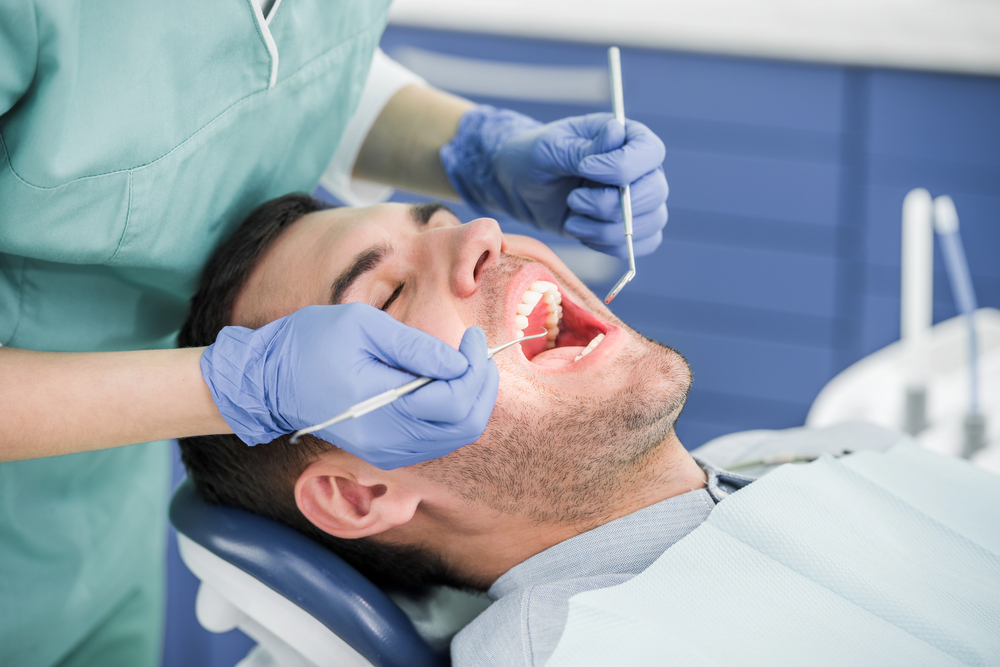
Your first visit is about understanding what's happening and why. We'll talk through your symptoms: when the pain started, what makes it better or worse, whether you clench or grind, and how your jaw feels when you wake up. We'll also examine your jaw movement, listen for joint sounds, and check the muscles around your face and neck.
Imaging can add important detail. Our office provides CBCT imaging along with 2D and 3D dental imaging, and we have a board-certified oral and maxillofacial radiologist on staff who evaluates TMJ imaging. That combination of a hands-on exam and detailed imaging helps us build a clearer picture before recommending any treatment. Because we also offer general, restorative, and sleep apnea care under one roof, we can consider how your bite, teeth, and sleep habits may relate to your jaw symptoms.
What does TMJ treatment involve?
TMJ treatment is tailored to the source of your symptoms, so the plan we recommend depends on what your evaluation reveals. For some patients, a custom night mouth guard helps protect the teeth and reduce strain from nighttime clenching or grinding. Because we have an on-site dental lab, we can coordinate the fabrication of appliances closely with our clinical team.
Other patients have related concerns that we address as part of a broader plan, such as worn or damaged teeth, bite issues, or sleep-related breathing problems that our sleep apnea treatment can help evaluate. When jaw symptoms overlap with other dental needs, keeping care in one office means fewer handoffs. Here is what patients can generally expect:
- A detailed conversation about your symptoms and daily habits
- A physical exam of your jaw joints, muscles, and bite
- Advanced imaging when needed for a closer look at the joint
- A personalized treatment plan explained in plain language
- Follow-up visits to see how your jaw is responding
If dental visits make you anxious, let us know. We offer sedation options, including nitrous oxide, oral sedation, and IV sedation, with a board-certified dental anesthesiologist on staff.
What happens after TMJ treatment begins?
After treatment begins, follow-up care helps us track your progress and adjust your plan as needed. TMJ symptoms can change over time, so we'll check in on how your jaw feels, how you're sleeping, and whether any appliance fits comfortably.
If you receive a night guard, we'll show you how to wear it, clean it, and store it, and we'll check its fit at your visits. We'll also talk about everyday habits that may put stress on your jaw, so you know what to pay attention to between appointments. Routine exams and cleanings give us regular opportunities to keep an eye on your teeth and jaw together.
How can I pay for TMJ therapy?
We accept all major PPO insurance plans, and our team can help you understand what your plan may cover before treatment starts. We also welcome self-pay patients.
For patients who prefer to spread out costs, financing is available. We'll review your options during your visit so there are no surprises. If you live in West Hills and have been putting off care for jaw pain, headaches, or clicking, we're glad to help you take the first step. Contact our office to schedule your TMJ evaluation.