Crowns in Woodland Hills
A cracked molar can make you chew on one side. A tooth with a large old filling can feel fragile every time you bite into something crunchy. A tooth that has had a root canal may need extra protection to keep doing its job. In everyday terms, a dental crown is about getting back to eating, talking, and smiling without second-guessing a weak tooth. At 805 Dentistry, our Thousand Oaks office welcomes patients from Woodland Hills who want a clear, unhurried explanation of their options and care that fits the whole family.
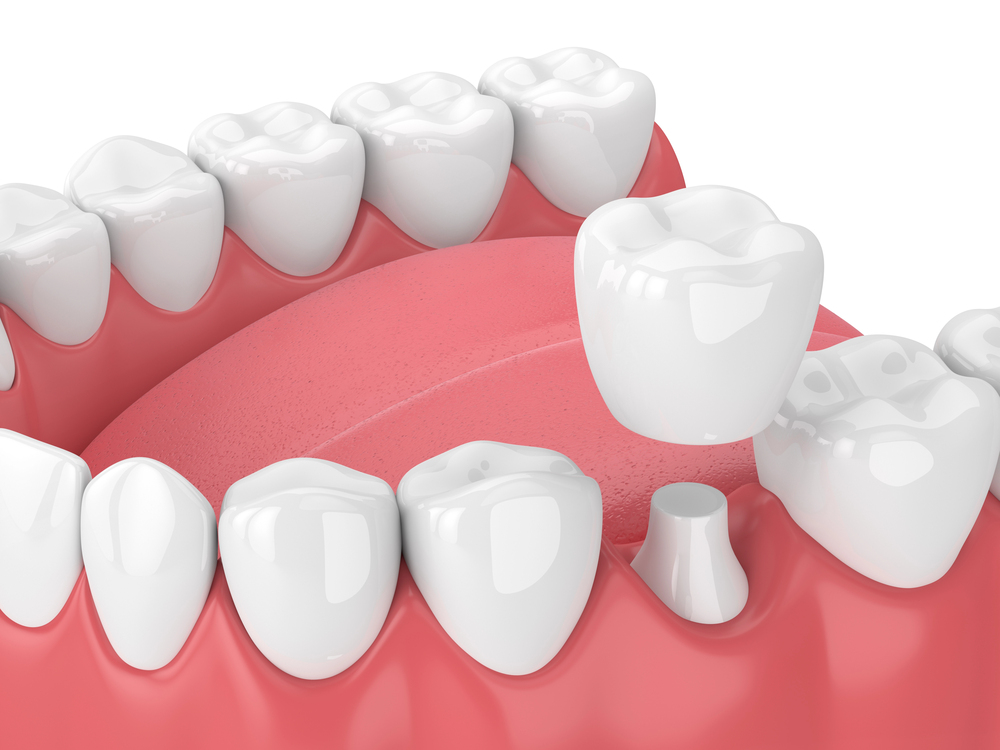
A dental crown is a custom-made cap that fits over the entire visible part of a tooth. It restores the tooth's shape, strength, and appearance. A filling repairs a smaller area inside the tooth. A crown wraps around what remains, holding the tooth together and shielding it from the pressure of daily chewing. Crowns are a core part of the restorative dentistry we provide, and they also play a role in larger plans such as dental bridges, implant restorations, and full mouth rehabilitation.
Many different situations can lead to a crown. Some of our Woodland Hills patients come to us with a tooth that has broken or cracked. Others have decay too extensive for a filling, or a tooth that was recently treated with root canal therapy. Some want to improve the look of a discolored or misshapen tooth as part of a smile makeover. Because we see children and adults of all ages, we can talk through what makes sense at each stage of life. That way, one family can keep their dental care in one place.
Every crown begins with a careful examination. Dr. Dar Radfar and our team look closely at the tooth, the surrounding gums, and your bite. We use dental imaging to see what is happening below the surface. Our office provides 2D and 3D imaging, including CBCT, which helps us understand the tooth's structure and the bone around it before we recommend anything.
We then explain what we found in plain language. A crown is not always the answer. Sometimes a filling, an onlay, or another approach is the better fit, and we will tell you so. If a tooth needs more support first, we can often handle that under the same roof. Our team includes a board-certified endodontist who treats cracked teeth and performs root canals, and a board-certified periodontist who performs crown lengthening when a tooth needs more exposed structure for a crown to hold securely.
What happens during crown treatment?
Crown treatment involves preparing the tooth, capturing its shape, and placing a custom restoration designed to fit your bite. First, we numb the area so you stay comfortable. We then gently reshape the tooth to make room for the crown and take precise impressions so the restoration matches your natural teeth and bite.
Our office has an on-site dental lab, which keeps our team closely connected to how your crown is made. Here is what most patients can expect:
- A thorough exam and imaging to confirm a crown is the right choice
- Numbing and careful preparation of the tooth
- Impressions used to create your custom crown
- A protective temporary crown while the final restoration is made, when needed
- A fitting visit where we check comfort, bite, and appearance before bonding the crown in place
If dental visits make you anxious, please tell us. We offer nitrous oxide, oral sedation, IV sedation, and general anesthesia, and a board-certified dental anesthesiologist is on staff. Many Woodland Hills patients find that knowing these options exist makes it much easier to schedule care they have been putting off.
How do I care for my new crown?
You care for a crown much like a natural tooth, with daily brushing, flossing, and regular checkups. The crown itself cannot decay, but the tooth underneath can, especially along the gumline. That makes good home care and professional cleanings important.
After placement, the tooth may feel a little different for a short time while you adjust. If your bite feels high or uneven, call us so we can check and adjust it. If you grind or clench your teeth at night, a custom night guard can help protect your crown and your other teeth. Because we also focus on TMJ treatment, we can look at whether jaw-related habits are putting extra stress on your restorations. If a crown ever loosens or breaks, we offer emergency dental appointments.
How can I pay for my crown?
We accept all major PPO insurance plans and welcome self-pay patients, and financing is available. Our team can help you understand how your plan may apply before treatment begins, so there are fewer surprises.
Cost depends on your specific situation, including whether the tooth needs other care first, such as a root canal or crown lengthening. We will review your treatment plan with you and answer your questions about coverage and payment. Patients from Woodland Hills and across the area can reach out to schedule an evaluation and learn whether a crown is the right way to protect their smile.